

 See My Latest Article on HelloNation
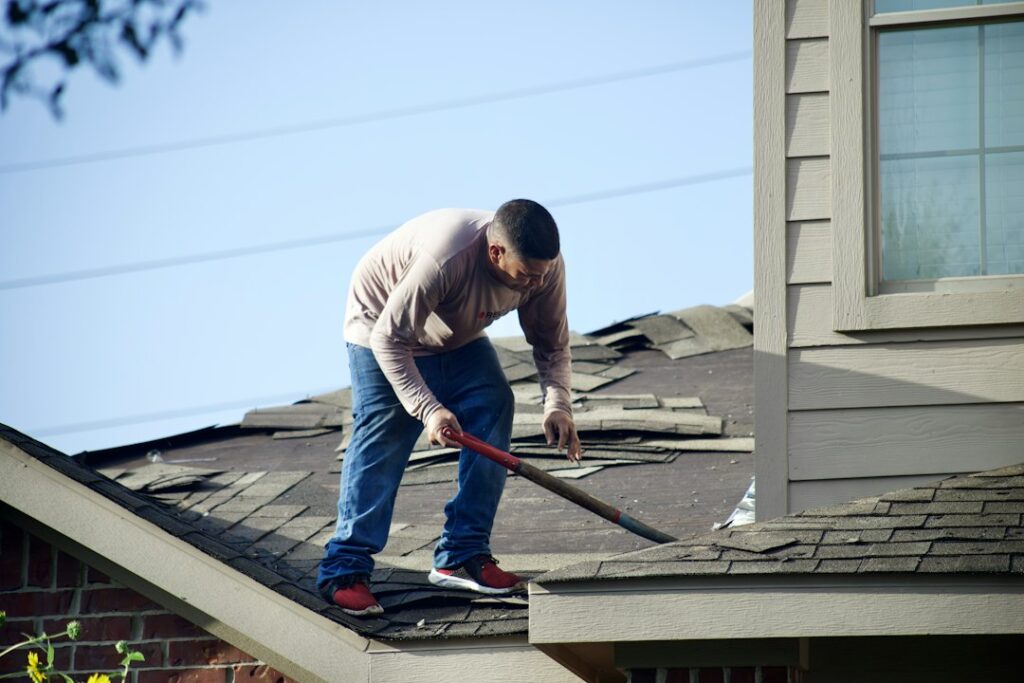
What makes a roof fire-resistant?
A fire-resistant roof is designed to slow ignition and limit the spread of flames, embers, and radiant heat. Roofing materials are commonly tested and labeled by fire-resistance class, with Class A providing the highest level of protection.
A roof’s performance depends on more than the visible covering. The underlayment, roof deck, vents, flashing, valleys, eaves, and installation details all affect how well the roof resists fire. A highly rated material can perform poorly if it is damaged, improperly installed, or surrounded by combustible debris.
For homeowners in Cheyenne, fire resistance is useful not only during a nearby wildfire. Roofs can also be exposed to embers from a neighboring structure fire, chimney sparks, outdoor burning, or windblown burning debris.
Which roofing materials offer the strongest fire resistance?
Several common roofing materials can provide Class A protection when tested as part of a complete roofing assembly.
Asphalt shingles
Fiberglass asphalt shingles are widely used on residential homes and are often available with a Class A rating. They are made with a glass-fiber mat and mineral granules that help resist flame spread.
A Class A asphalt shingle roof can be a practical choice for many homes, but the rating applies to the tested product and installation system. The specific shingle, underlayment, roof deck, slope, and fastening method may all matter.
Older organic-mat shingles may have different fire characteristics than modern fiberglass products. Homeowners replacing an older roof should check the product’s current fire classification rather than assuming that all asphalt shingles perform the same way.
Metal roofing
Steel and aluminum roofing are noncombustible materials and can provide strong protection against surface ignition. Standing-seam panels, exposed-fastener panels, and metal shingles may all be suitable, depending on the product and assembly.
Metal roofing does not automatically solve every fire risk. Combustible materials underneath the metal, unprotected attic openings, or gaps at the eaves can still allow fire to enter. Metal panels also require careful detailing around chimneys, vents, skylights, and roof edges.
Clay or concrete tile
Clay and concrete tile are noncombustible and commonly provide excellent fire resistance. Tile can also help shield portions of the roof deck from radiant heat and burning embers.
The added weight requires a roof structure designed to support it. Tiles can also crack from impact, freeze-thaw movement, or improper foot traffic. Broken or displaced pieces should be repaired because openings can expose the underlayment and deck.
Slate
Natural slate is noncombustible and can offer very strong fire performance. It is durable, but it is also heavy, relatively costly, and demanding to install or repair. A home must be structurally suited for the material, and replacement slate should match the existing roof system as closely as practical.
Fiber-cement and composite products
Some fiber-cement and composite roofing products are manufactured to resist flame and ember exposure. Their performance varies substantially by product, so the label and test documentation matter more than the material name alone.
A product described as “fire-resistant” may not have the same tested performance as a Class A roof covering. Homeowners should look for a clearly stated classification and confirm whether it applies to the complete assembly.
Is Class A roofing required in Cheyenne?
Cheyenne’s adopted residential building requirements have historically been based on the 2018 International Residential Code, but local requirements and adopted editions can change. Permit and inspection rules may also depend on the project, the structure, and the type of roof work being performed.
Class A is generally the most protective roof classification. Class B offers less protection, while Class C provides the basic level recognized by building standards. A roof’s required classification may depend on local code provisions, the building’s location, the roof assembly, and other site conditions.
Before replacing a roof, check the current requirements through the city’s building and permitting information. Product literature should identify the fire classification, and the classification should apply to the actual installation rather than only to a sample material tested under different conditions.
Does a fire-resistant roof protect against wildfire?
A fire-resistant roof can reduce the chance that embers will ignite the roof surface, but it cannot make a home fireproof. During a wildfire, small burning particles can travel through the air and collect in roof valleys, gutters, vents, decks, and other areas.
The most vulnerable details often include:
- Open or unscreened attic vents
- Debris-filled gutters
- Dry leaves beneath roof-mounted equipment
- Combustible materials at roof-to-wall intersections
- Damaged shingles or cracked tiles
- Exposed wood at eaves and rake edges
- Gaps around pipes, chimneys, and skylights
In a dry, windy climate, maintenance around the roof can be nearly as important as the roof covering itself. Keeping gutters clear, removing accumulated needles and leaves, and inspecting damaged areas after wind or hail can reduce opportunities for ignition.
How do Cheyenne’s weather conditions affect roofing choices?
Local roofs must handle more than fire exposure. Cheyenne homes commonly experience strong wind, hail, intense sun, snow, rapid temperature changes, and extended dry periods. These conditions can damage a roof long before a fire event occurs.
Wind can loosen shingles and expose the underlayment. Hail can bruise asphalt shingles, crack tile, or dent metal panels. Repeated freeze-thaw cycles can worsen small cracks and allow water to reach the roof deck.
A practical selection should balance:
- Fire classification
- Wind resistance
- Impact resistance
- Snow and ice performance
- Ultraviolet exposure
- Weight
- Expected maintenance
- Compatibility with the existing roof structure

A roofing material that performs well in a laboratory but is poorly suited to local wind, hail, or snow conditions may not provide dependable protection over time.
What roof details deserve special attention?
The roof covering is only one part of a fire-resistant system. During an inspection or replacement, pay attention to areas where materials meet or where openings interrupt the roof surface.
Chimneys should have suitable flashing and spark-control features. Roof vents should be designed to limit ember entry while still providing required attic ventilation. Valleys and gutters should be free of combustible debris. Eaves and overhangs should not contain unnecessary openings that allow heat, flames, or embers to reach the attic.
Roof penetrations should be sealed with compatible materials. Sealants eventually age, shrink, or separate, so these areas need periodic inspection. Any repair should preserve the tested performance of the roof assembly rather than creating a weak point.
Can homeowners improve fire resistance without replacing the roof?
Yes. Several maintenance steps can improve an existing roof’s resistance to ember exposure:
- Replace missing, cracked, or badly deteriorated roof coverings.
- Keep gutters and valleys clear of leaves, pine needles, and other dry debris.
- Trim branches that touch or overhang the roof.
- Check that vent screens are intact and securely attached.
- Remove combustible storage from attic areas near vents or eaves.
- Inspect flashing around chimneys, skylights, and plumbing vents.
- Keep firewood, cardboard, mulch, and similar materials away from exterior walls.
- Clean roof areas carefully after windstorms and hail events.
Do not walk on steep, wet, icy, fragile, or damaged roofing. Roof access can create fall hazards and can worsen damage to brittle shingles or tile. Unsafe conditions, structural concerns, or fire damage require a qualified inspection.
What should homeowners ask before choosing a roofing material?
Useful questions focus on the complete system rather than the product’s appearance:
- What is the roof covering’s fire classification?
- Does the rating apply to the entire assembly?
- What underlayment and roof deck are required?
- Is the material suitable for local wind and hail exposure?
- Will the existing structure support the roof’s weight?
- How are vents, eaves, valleys, and penetrations protected?
- What maintenance is needed to preserve performance?
- Are current Cheyenne permit and inspection requirements satisfied?
The strongest choice is usually the roof system that combines a high fire rating with reliable installation, sound ventilation, secure edges, durable flashing, and regular maintenance.