

 See My Latest Article on HelloNation
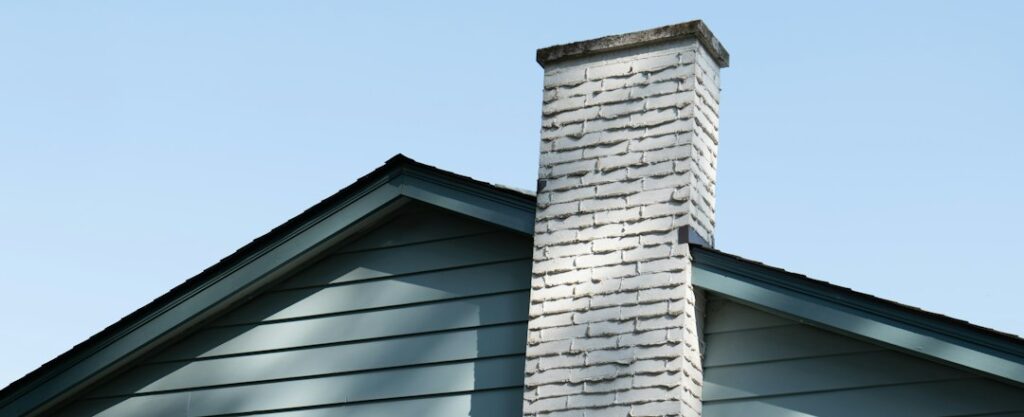
Why does flashing matter for roof longevity?
Flashing is the material installed around roof openings, edges, joints, and changes in direction to guide water away from vulnerable areas. It helps prevent moisture from reaching roof decking, insulation, framing, and interior walls.
In Cheyenne, WY, flashing is especially important because roofs may face strong wind, snow, freeze-thaw cycles, and rapid weather changes. A roof covering can appear to be in good condition while failed flashing allows water to enter through a chimney, vent, skylight, wall intersection, or roof edge.
Roof longevity depends on more than shingles or other visible roofing materials. The less visible transition points often determine whether a roof stays dry over many seasons.
What parts of a roof need flashing?
Flashing is used wherever water could collect, change direction, or work its way beneath the roof covering. Common locations include:
- Chimneys and masonry features
- Plumbing vent pipes
- Skylights
- Roof valleys
- Wall-to-roof intersections
- Dormers and sidewalls
- Roof edges and eaves
- Rakes, or the sloping edges of a roof
- Areas around roof-mounted equipment
- Intersections between lower and upper roof sections
Each location may require a different flashing design. For example, a chimney usually needs several types of flashing, including metal pieces at the base, sides, and upper edge. A plumbing vent generally uses a specialized boot that seals around the pipe while integrating with the surrounding roof materials.
The goal is not simply to cover a gap. Proper flashing creates a controlled path for water so it drains over, rather than beneath, the roofing system.
How does flashing prevent roof leaks?
Flashing works by using overlapping layers, durable materials, and gravity. Water is directed downhill across the roof surface and away from seams or penetrations.
A well-designed flashing assembly typically does three things:
1. It blocks water from entering a joint or opening.
2. It directs water onto the next weather-resistant layer.
3. It allows the roof and nearby materials to move slightly without breaking the seal.
Problems often occur when flashing is installed as a single exposed patch or when sealant is expected to do all the work. Caulk and roofing cement can help in limited applications, but they are not a substitute for correctly layered flashing. Sealants can dry, crack, shrink, or separate from a surface as temperatures change.
This matters during Cheyenne’s cold seasons, when moisture can freeze inside small gaps. Ice expansion may enlarge a defect, while later melting can carry water farther into the roof assembly.
Why are roof edges and valleys vulnerable?
Roof edges and valleys handle concentrated water flow. They also experience wind exposure and can be affected by ice, snow, leaves, and debris.
A valley collects water from two roof planes and sends it toward the drainage system. If the valley flashing is bent, corroded, poorly overlapped, or covered by improperly placed fasteners, water may enter below the roof covering.
Edges require careful detailing because wind can lift roofing materials and expose the layers beneath. Drip edge flashing helps move water away from the fascia and roof deck while providing a finished boundary at the eaves and rakes.
Local building requirements include drip edge at roof eaves and rakes. Ice-barrier requirements also address the risk of water backing up near eaves during freezing conditions. These components support the roof system but do not eliminate the need for sound installation and regular observation.
What happens when flashing fails?
Flashing failure can cause damage long before a ceiling stain appears. Moisture may first affect the roof decking or framing, where it can remain hidden.
Potential signs include:
- Brown or yellow discoloration on ceilings or walls
- Damp insulation in an attic
- Soft or deteriorated roof decking
- Peeling paint near a chimney or exterior wall
- Rusted metal around vents
- Loose, lifted, or missing flashing
- Cracked sealant at roof penetrations
- Damp odors after rain or snowmelt
- Mold-like staining in poorly ventilated spaces

A small leak may not appear directly below the failed flashing. Water can travel along rafters, roof decking, insulation, or wall cavities before becoming visible indoors. For that reason, the location of an interior stain does not always identify the source.
Hidden moisture can also reduce the service life of adjacent materials. Wet wood may decay, insulation may lose effectiveness, and repeated dampness can create conditions favorable to mold growth.
Does new roofing eliminate flashing problems?
No. Replacing shingles or another roof covering does not automatically correct flashing defects.
During a roof replacement, existing flashing may be reused, replaced, modified, or covered depending on its condition and the location. Reusing older flashing can be reasonable in some circumstances, but damaged, corroded, poorly shaped, or incompatible materials can continue to create problems beneath a new roof covering.
Flashing should be evaluated as part of the entire roof system. Important questions include:
- Is the metal firmly attached?
- Are overlaps arranged so water drains downhill?
- Are fasteners placed where they are unlikely to cause leaks?
- Is the flashing integrated with underlayment and the roof covering?
- Are wall counterflashing and base flashing working together?
- Are pipe boots and other flexible components cracked or brittle?
A new surface may look clean while old flashing remains the weakest point.
How do Cheyenne weather conditions affect flashing?
The local climate places repeated stress on roof transitions. Strong winds can loosen exposed edges, while snow and ice can remain around eaves, valleys, and roof penetrations. Temperature swings cause metal, asphalt-based materials, sealants, wood, and roofing membranes to expand and contract at different rates.
Cheyenne also receives periods of snow that may melt and refreeze. This cycle can expose weaknesses in flashing that are not noticeable during dry weather. Wind-driven precipitation can reach areas that ordinary rainfall does not, especially around chimneys, wall intersections, and roof edges.
The city’s adopted construction requirements reflect the need to account for snow, wind, severe weathering conditions, and ice barriers. Code compliance is a minimum standard, however. Good roof performance also depends on careful detailing, compatible materials, proper drainage, and maintenance.
How can homeowners check flashing safely?
A ground-level inspection after major wind, snow, or hail can identify visible concerns. Look for bent metal, exposed fasteners, missing pieces, separated sealant, and roofing materials that appear lifted near penetrations or roof edges.
Inside the attic, check for damp wood, daylight around roof openings, water marks, or compressed insulation. Attic inspections should only be performed where there is a safe walking surface and adequate lighting. Stepping between ceiling joists can cause injury or damage the ceiling below.
Roof surfaces, ladders, icy conditions, and steep slopes create fall hazards. A person should not climb onto a roof simply to inspect a questionable area. Safety concerns, suspected structural damage, or active water entry require evaluation by someone qualified to work safely on the roof.
Flashing is easy to overlook because much of it is covered or located at roof transitions. Yet these relatively small components often protect the areas most likely to leak. Keeping them properly designed, integrated, and maintained can help preserve the roof deck and extend the useful life of the entire roofing system.