

 See My Latest Article on HelloNation
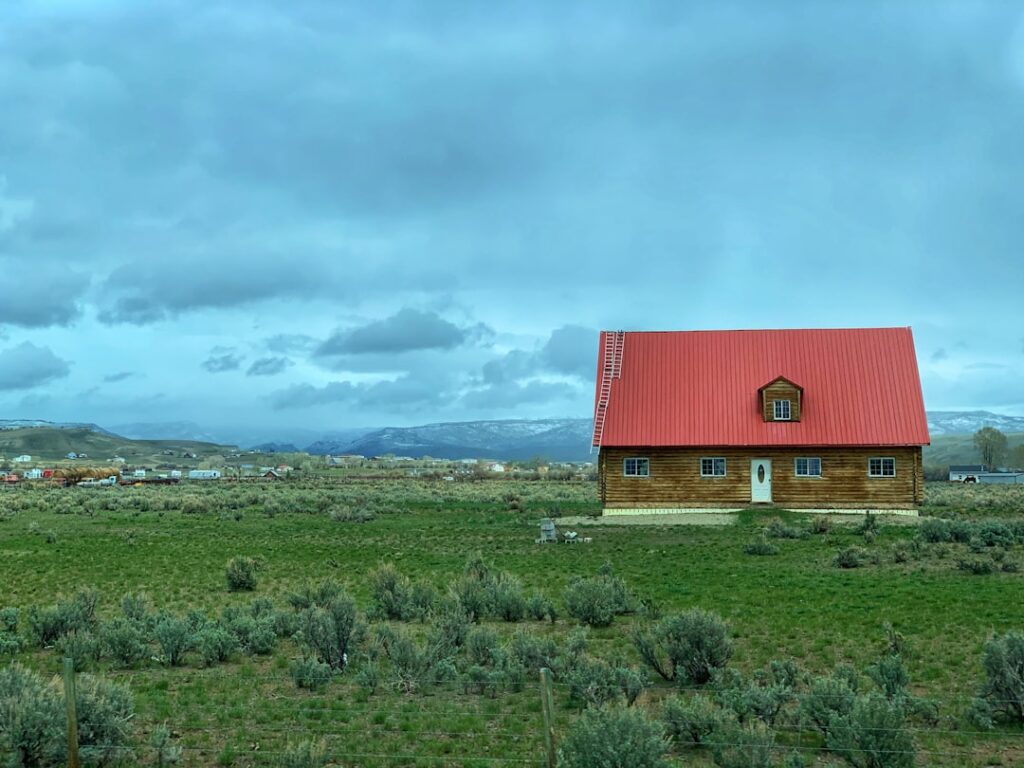
Living in Cheyenne, WY, means enjoying beautiful open skies, fresh mountain air, and a strong sense of community. However, the rugged charm of Wyoming’s climate can be tough on residential roofs. From severe weather swings to the effects of our unique high-altitude environment, homeowners often wonder, "What are the most common causes of roof damage here?" This article explores the factors that specifically impact Cheyenne roofs and offers tips on prevention and early detection.
The Role of Cheyenne’s Weather in Roof Damage
Cheyenne’s climate is known for its extremes. While locals are used to wide temperature swings and sudden storms, these same conditions can be punishing to roofing materials. Here are the most frequent weather-related causes of roof damage in the region:
- Hailstorms: Cheyenne is famous for intense hailstorms, particularly in spring and summer. Hailstones can range from pea-sized to golf ball-sized or larger, causing dents, bruised shingles, granule loss, and even punctures in roofing materials.
- High Winds: The city lies in one of the windiest corridors of the United States. Strong gusts can lift shingles, expose underlayment, break tiles, and dislodge flashing. Over time, repeated wind stress can weaken the integrity of the entire roof structure.
- Heavy Snow and Ice Dams: Winters in Cheyenne bring periods of heavy snowfall and freeze-thaw cycles. Accumulated snow adds weight to the roof, while melting and refreezing at the eaves can create ice dams, allowing water to seep under shingles and cause leaks.
- Intense Sun Exposure: At an elevation of over 6,000 feet, UV exposure is higher than average. Intense sunlight can lead to premature aging of roofing materials, causing cracking, fading, and brittleness—especially on south-facing slopes.
Additional Local Factors Affecting Roofs
Beyond the weather, several lifestyle and environmental factors can impact the lifespan and condition of your Cheyenne roof.
- Tree Debris: In established neighborhoods, mature trees can drop branches, leaves, and sap onto roofs. Overhanging limbs are particularly dangerous during storms, while accumulated debris retains moisture and encourages rot.
- Wildlife Activity: Birds, squirrels, and other animals may seek shelter or food near your roofline. Their activity can damage shingles, gutters, and vent covers.
- Local Construction and Dust: With Cheyenne’s ongoing development and frequent winds, roofs often collect more dust and grit than in more sheltered regions. This residue accelerates wear and may impede rainwater runoff, potentially leading to pooling and leaks.
Common Types of Roof Damage Seen in Cheyenne
Knowing the specific types of roof damage common in Cheyenne helps residents spot problems early and make informed decisions about repairs. These include:
- Shingle Loss or Lifting: Windstorms can tear shingles or loosen their edges, making them prone to leaks.
- Cracked or Broken Tiles/Shingles: Hail and tree limb impacts often result in visible cracks or broken sections.
- Granule Loss: Hail, wind, and UV radiation strip asphalt shingles of their protective granules, accelerating aging.
- Flashing Damage: Wind and ice can twist or displace the metal flashing around chimneys, vents, and skylights, allowing moisture to infiltrate.
- Gutter and Downspout Problems: Debris, ice, and rapid temperature shifts can clog or disconnect gutters, compromising proper drainage.

Preventing and Minimizing Roof Damage
While Cheyenne’s weather is challenging, regular roof care can dramatically reduce the risk of severe damage.
- Schedule Regular Inspections: Aim for a professional inspection at least once a year, ideally in spring or fall. After major storms, check for missing shingles or visible dents.
- Trim Trees and Remove Debris: Keep trees pruned away from the roof and remove leaves or branches that accumulate.
- Maintain Gutters and Downspouts: Clean gutters regularly so water flows freely away from the house, reducing the risk of leaks and ice dams.
- Address Small Repairs Promptly: Replacing a few shingles now can prevent expensive repairs or even a full roof replacement later.
- Consider Impact-Resistant Materials: If you’re building or reroofing, consider shingles or tiles rated for high resistance to hail and wind.
When to Call a Professional Roofer in Cheyenne
Homeowners in Cheyenne are known for their self-reliance, but some roofing issues demand expert attention. If you notice leaks, sudden temperature changes in your attic, sagging roof sections, or visible light through the roof boards, contact a local roofing professional. Early intervention can prevent further damage, safeguard your home during Wyoming’s toughest weather, and protect your property value.
Conclusion
Cheyenne’s roofs face a unique set of challenges thanks to our high elevation, frequent storms, and adventurous climate. By recognizing the most common causes of roof damage—hail, wind, snow, UV exposure, and local environmental factors—homeowners can take proactive steps to protect their investment. Regular maintenance and timely repairs will ensure your home stays safe, comfortable, and ready for whatever Mother Nature brings to our Wyoming doorstep.