

 See My Latest Article on HelloNation
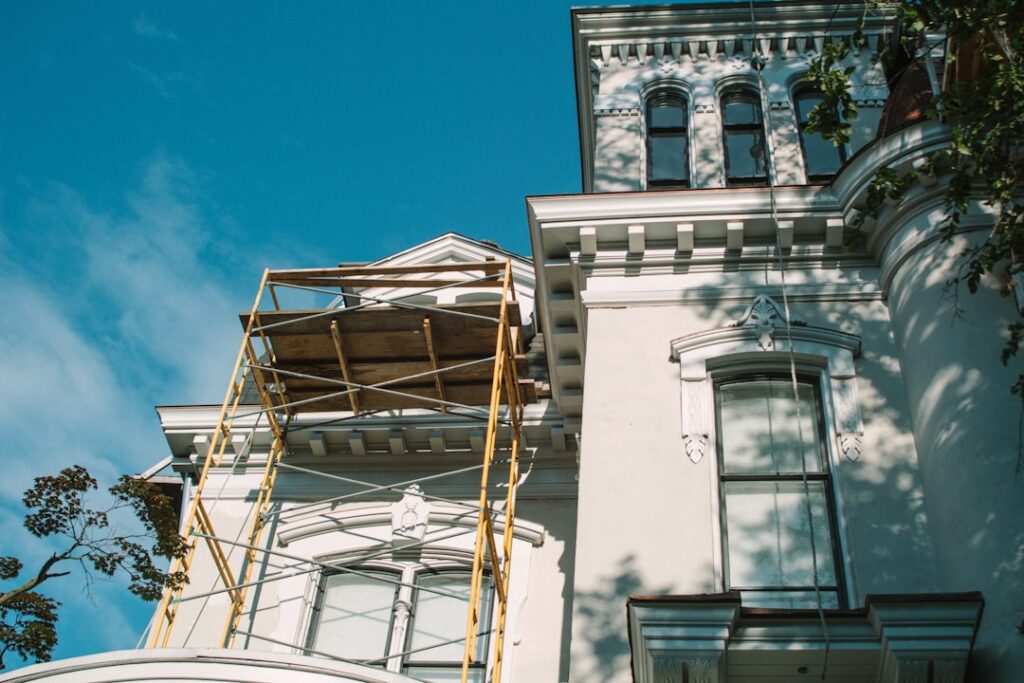
Why Prepare for a Roof Replacement?
Replacing a roof is a significant home improvement project that affects not only the structure but also daily routines. Proper preparation ensures safety, protects belongings, minimizes stress, and helps the process go smoothly. For residents of Cheyenne, WY, unique weather conditions and typical home layouts can influence the best approach.
How Can Weather and Local Conditions Affect Roof Work?
The climate in Cheyenne, WY features high winds, dramatic temperature changes, and the risk of sudden storms, especially in spring and summer. These conditions can create challenges for roof replacement scheduling and safety.
Be aware that:
- Roofing may be delayed by strong wind gusts or unseasonal snow
- Sudden afternoon thunderstorms are common in warmer months and can halt work unexpectedly
- Dust and debris can spread further in breezy conditions
Local households should check the weather forecast during the days leading up to and during the project. If in doubt, seek guidance on how to secure the work area in case of a weather interruption.
What Should Be Moved or Protected Inside and Outside the Home?
Roof replacement involves vibrations, falling debris, and possible movement of materials. Protecting property inside and outside is critical.
Indoors:
- Remove fragile items from shelves and walls, especially on the top floor or attic level
- Cover items stored in the attic to prevent dust contamination
- Move valuables and electronics away from areas directly under roofing work
Outdoors:
- Relocate vehicles away from the house and driveway to avoid damage from falling debris or shingle delivery
- Move patio furniture, grills, and toys away from the work zone
- Protect landscaping and garden beds with tarps or plywood, especially if you have delicate perennials or decorative features near the house
Can the Household Stay Home During Roof Replacement?
Most families in Cheyenne stay home during roofing work, but expect loud noise and some disruption. Shingles being removed and installed cause persistent banging. Pets and young children may be startled or stressed by noise and unfamiliar workers.
Consider:
- Arranging alternative daytime plans for pets sensitive to noise
- Alerting household members to temporary changes in outdoor access or driveway use
- Communicating with neighbors to let them know work will be occurring
If anyone has medical needs impacted by vibrations or airborne dust, discuss accommodations in advance.
Are Local Permits and Insurance Needed?
Roof work in Cheyenne requires adherence to building codes, and in most cases, a building permit must be posted before work begins. Check requirements with the Cheyenne Building Department.
Before the project starts:
- Confirm that the appropriate permit is displayed
- Review your homeowner’s insurance to understand any requirements related to construction or roof damage
- Take “before” photos of your property to document its condition
How Should You Prepare for Debris and Cleanup?

Roof removal generates debris, nails, and dust, so effective cleanup is essential. Most roofing crews will use tarps, magnetic sweepers, and dumpsters to contain mess.
For extra peace of mind:
- Walk the property after work each day to check for missed nails, especially if you have children or pets who play in the yard
- Ask how materials will be collected and removed, and where dumpsters will be placed to avoid damaging driveways or lawns
- Be cautious around the exterior of the home until all cleanup is officially complete
What About Access and Safety During the Project?
Roofing requires consistent access to your property. Crews will need clear paths to bring materials up ladders, which may be set in driveways, walkways, or garages.
Keep these tips in mind:
- Identify and communicate any areas that must be kept clear, such as paths for mobility-impaired family members
- Secure gates and keep children and pets indoors or under close supervision during work hours
- Be aware that utility lines, especially overhead electrical wiring, may be near the work zone; crews usually take precautions, but stay vigilant for safety
Are There Special Considerations for Historic or Unique Homes?
Older homes or those with unique roof materials (wood shakes, slate, or tile) often require extra steps for preparation. Remove or cover delicate antiques, check attic insulation for possible debris leaks, and ensure that custom features are clearly identified for protection.
Houses in older neighborhoods may also have tighter lot lines, making staging and debris removal challenging. Discuss any access limitations or property boundaries in advance to prevent misunderstandings.
What Is Commonly Overlooked When Preparing for Roof Replacement?
Some tasks are easy to overlook but can make a big difference in comfort and safety:
- Notifying alarm or security companies if roof sensors or cameras might be affected
- Planning alternate parking for both the household and visitors
- Checking chimneys, skylights, and satellite dishes for items that may need temporary removal or adjustment
Roof replacement can be noisy, messy, and disruptive, but thorough preparation reduces problems and keeps the household safe and comfortable throughout the process.