

 See My Latest Article on HelloNation
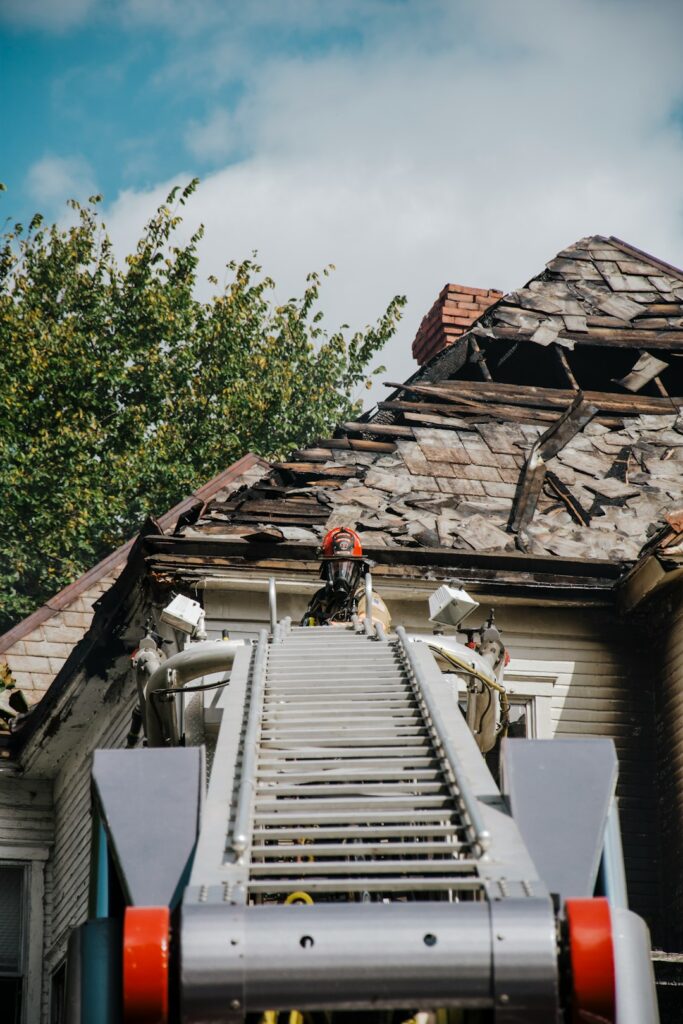
Is it safe to walk on a residential roof?
Walking on a roof can damage both the roofing materials and the person walking on it. Even when no immediate mark is visible, foot traffic may loosen granules, crack brittle materials, disturb flashing, or shorten the roof’s service life.
For most homeowners, the safest answer is: avoid walking on the roof unless access is necessary and conditions are controlled. Many routine checks can be performed from the ground, from attic spaces, or from a ladder positioned at the eaves without stepping onto the roof surface.
Roof safety is especially relevant in Cheyenne because strong wind, winter weather, freezing temperatures, and rapid changes between sun and cold can leave roofing materials less flexible and walking surfaces more hazardous.
What happens when someone walks on asphalt shingles?
Asphalt shingles are designed to shed water, not to serve as a regular walking surface. A person’s weight concentrates pressure into a small area beneath the soles of the shoes.
Walking may cause:
- Loss of protective mineral granules
- Cracks, creases, or splits in the shingle surface
- Damage to the adhesive seal between shingles
- Loosened tabs or exposed fasteners
- Pressure damage to the roof deck beneath the shingles
- Scratching or bending of metal flashing
Some damage is easy to see, such as a torn shingle or a trail of loose granules. Other damage may not become apparent until the next heavy rain, snowmelt, or wind event.
A roof that appears sturdy can still have weakened shingles, soft decking, or hidden moisture beneath the surface. Foot traffic may turn a minor weakness into a leak.
Does the type and age of the roof matter?
Yes. Roof materials respond differently to foot traffic, and older materials are generally less tolerant of pressure.
Newer asphalt shingles may be flexible enough to withstand limited, careful access during necessary work, but they can still be damaged by sharp footwear, twisting movements, or stepping on exposed edges. Older shingles often become brittle after years of ultraviolet exposure, temperature changes, and weathering.
Walking is particularly risky on:
- Brittle or deteriorated asphalt shingles
- Cedar shakes and shingles
- Clay, concrete, or slate tiles
- Corrugated or standing-seam metal roofs
- Synthetic materials with concealed fasteners
- Roofs with visible storm damage
- Areas near skylights, valleys, ridges, and flashing
Cedar products can split under foot pressure. Tile can crack even when the damage is not immediately obvious. Metal roofing may not break, but it can dent, deform, or lose protective coatings. Stepping in the wrong location can also bend seams or damage fasteners.
Can you walk on a roof to inspect it?
A limited inspection may be possible on some low-slope roofs, but stepping onto a roof should not be the first inspection method. Ground-level observations often reveal missing shingles, sagging areas, damaged vents, excessive granules in gutters, or visible flashing problems.
From the ground, binoculars or a camera with a zoom lens can help identify:
- Missing, lifted, or displaced shingles
- Dark or irregular patches
- Damaged vent covers
- Sagging roof lines
- Accumulated debris
- Loose or bent metal
- Shingle fragments around the property
The attic can provide additional information. Look for daylight entering through the roof, damp insulation, water stains, mold-like growth, or damp wood near roof penetrations. These signs do not identify every roofing problem, but they may reduce the need to walk on the roof.
If physical access is necessary, a roof with steep slopes, wet surfaces, ice, snow, loose materials, or suspected structural damage should not be entered by an unprotected homeowner. A fall from even a one-story roof can cause serious injury.
When is walking on a roof most dangerous?
Wet, icy, snowy, or frosted roofing is much more slippery than it may appear. Snow can also conceal weak spots, roof edges, skylights, vents, and areas where ice has formed beneath the surface.
Avoid roof access during or shortly after:
- Rain or snow
- Freezing temperatures
- Strong wind
- Rapid thawing
- Heavy dew or frost
- Hailstorms
- Extreme heat

Hot weather can soften asphalt sealant and make shingles more vulnerable to scuffing. Cold weather can make asphalt shingles stiff and brittle. In the Cheyenne area, alternating periods of intense sunlight, wind, snow, and freezing conditions can create several of these hazards within the same season.
Footwear also matters. Hard soles, worn tread, metal objects, and debris trapped in the sole can scratch or puncture roofing materials. Soft-soled footwear may reduce surface damage in limited circumstances, but it does not eliminate the risk of slipping or falling.
Are there parts of the roof that should never be stepped on?
Several roof areas require particular caution. Roof edges, eaves, valleys, ridges, vents, skylights, and flashing are not interchangeable walking surfaces.
Skylights are especially dangerous because some are not designed to support a person’s weight. They may be covered by a thin material that looks solid but can break without warning.
Valleys collect water and snow and often contain flashing or specialized underlayment. Stepping there can deform the drainage path. Flashing around chimneys, walls, vents, and roof edges can bend easily, creating openings for water.
Do not step on visibly sagging or soft areas. A soft spot may indicate damaged decking, trapped moisture, or weakened framing. It may also fail suddenly.
What should homeowners do after accidentally walking on the roof?
An occasional step does not automatically mean the roof is damaged. Inspect the area from a safe position and look for loose granules, visible cracks, displaced shingles, exposed fasteners, bent flashing, or a new soft spot.
Afterward, check the attic and upper walls for signs of water intrusion, especially after rain or snowmelt. Watch for:
- New ceiling or wall stains
- Damp insulation
- Dripping near roof penetrations
- Peeling paint
- A musty odor
- Granules collecting in gutters or downspouts
If the roof was already old, brittle, wind-damaged, or leaking, even limited foot traffic deserves more caution. A roof with structural concerns, active leaking, or storm damage should not be entered without appropriate fall protection and a safe access plan.
How can roof maintenance be done without walking on the roof?
Many maintenance tasks can be completed without stepping onto the roofing surface. Keep gutters and downspouts clear from a ladder, trim branches that contact the roof, and remove small amounts of debris only when it can be reached safely.
Do not use a pressure washer on shingles, shakes, or tiles. High-pressure water can remove protective granules, force moisture beneath roofing materials, and worsen existing damage.
After major wind, hail, or snow events, inspect the roof from the ground and check interior ceilings and attic spaces. Look for changes rather than relying only on the roof’s age. A roof may appear normal from below while having damage around vents, flashing, or wind-exposed edges.
The most practical rule is simple: roofs are built to protect a home, not to function as walking surfaces. Limit foot traffic, avoid hazardous weather, and use safer observation methods whenever possible.