

 See My Latest Article on HelloNation
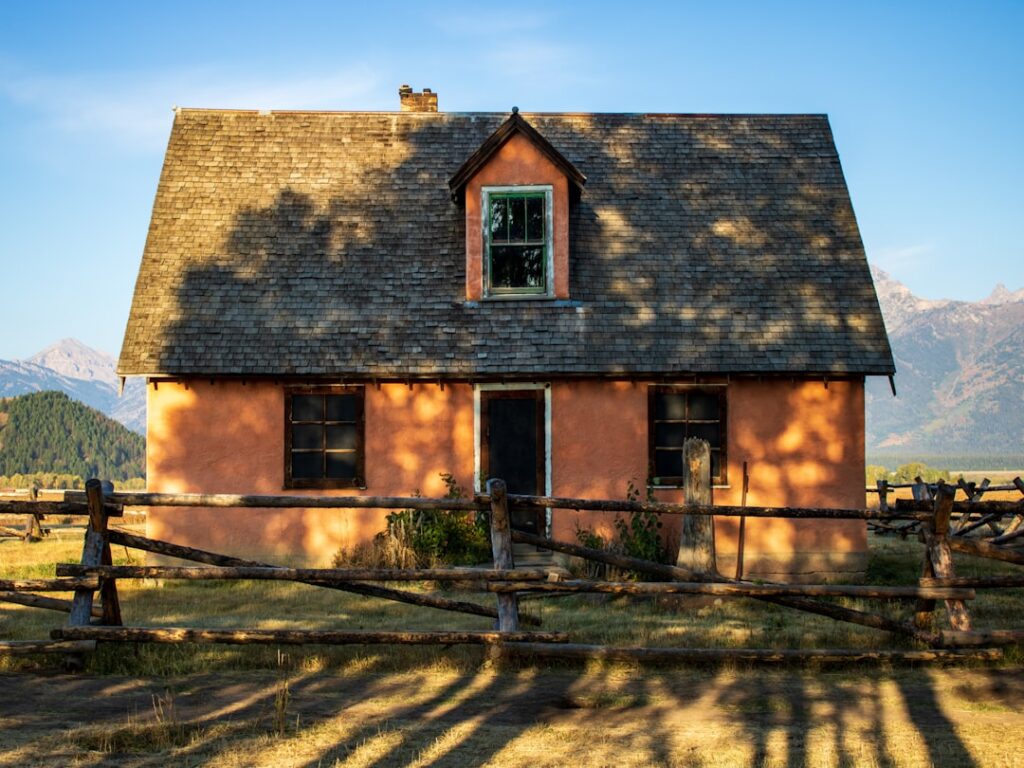
Living in Cheyenne, WY, we enjoy the beauty of all four seasons—from snowy winters to sunny, breezy summers. But with our region’s unpredictable winds and temperature extremes, managing home energy consumption is an ongoing concern for many homeowners. One highly impactful area to address is your roof. Enhancing your roof’s energy efficiency not only supports a comfortable indoor climate but can also lower your utility bills year-round. Let’s dive into effective, practical ways to improve your roof’s energy efficiency, tailored especially for Cheyenne’s unique climate and lifestyle.
Why Focus on Roof Energy Efficiency in Cheyenne?
Cheyenne’s high plains environment exposes roofs to intense sun, bitter cold, and high winds. These conditions can raise heating costs in winter and air conditioning expenses in summer, putting extra strain on your wallet and HVAC system. By making strategic improvements to your roofing system, you can mitigate heat transfer, reduce drafts, and create a more resilient, energy-smart home.
1. Upgrade Roofing Materials for Better Performance
Not all roofing materials provide the same level of insulation or reflectivity. In Cheyenne, selecting materials that can handle wide temperature swings is essential.
- Consider Cool Roofing: These materials are designed to reflect more sunlight and absorb less heat than standard options. Metal roofs with reflective coatings or light-colored asphalt shingles are popular choices that help combat Wyoming’s strong summer sun.
- Opt for Energy-Efficient Shingles: Some shingles are engineered with advanced granules that reflect solar energy, reducing attic heat buildup.
2. Improve Attic Insulation
Insulation is one of the most cost-effective upgrades for energy efficiency. An adequately insulated attic acts as a barrier, keeping warm air indoors during chilly winters and blocking heat in summer.
- Check Current Insulation Levels: The U.S. Department of Energy recommends higher R-ratings for climates like Cheyenne. Adding batts, blown-in insulation, or spray foam can help meet or exceed these ratings.
- Seal Gaps and Cracks: Prevent warm air from leaking out and cold drafts from sneaking in by sealing around vents, pipes, and light fixtures.
3. Enhance Roof Ventilation
A well-ventilated roof is crucial for regulating temperature and moisture in your attic, which directly affects energy efficiency.
- Ridge and Soffit Vents: These systems promote airflow through the attic, equalizing temperature and preventing moisture buildup—important for Cheyenne’s dry, windy weather.
- Attic Fans: Consider installing a solar-powered attic fan, leveraging Cheyenne’s abundant sunny days to move hot air out and keep your home cooler.
4. Install Radiant Barriers
Radiant barriers are reflective materials placed under your roof’s decking to minimize heat transfer from the sun into your attic. These are particularly helpful during the hot summer months typical in southeast Wyoming.
- Cost-Effective Addition: While easy to install during new roof construction, radiant barriers can also be added to existing homes in the attic space.
- Pair with Insulation: For maximum benefit, use radiant barriers alongside traditional insulation methods.
5. Replace or Maintain Roof Underlayment
Your underlayment is the protective layer between roof decking and shingles. Upgrading to newer, synthetic underlayments can enhance moisture resistance and provide a thermal barrier.
- Inspect for Damage: Severe winds common in Cheyenne may displace or damage older underlayment, making regular inspection and timely repairs crucial.
- Upgrade During Roof Replacement: If you’re considering a new roof, ask about high-quality, energy-efficient underlayment products.
6. Install Energy-Efficient Skylights and Solar Tubes
Bringing more daylight into your home can reduce the need for electric lighting and enhance overall energy efficiency.
- Choose Proper Placement: Consider where skylights or solar tubes will maximize natural light while minimizing unwanted heat gain or loss.
- Invest in Insulated, Low-E Glass: These skylights reduce heat transfer, making them suitable for Cheyenne’s fluctuating temperatures.

7. Trim Overhanging Trees and Debris
Cheyenne’s infamous windstorms can deposit debris on your roof, and overhanging branches may damage your roofing materials or block airflow, leading to moisture issues and heat pockets.
- Natural Shade: Strategically retained trees can provide shade in summer, but trim them regularly to maintain airflow and reduce maintenance.
- Reduce Roof Load: Keeping your roof clear improves its ability to regulate temperature effectively.
8. Schedule Regular Roof Inspections
Routine professional inspections are vital for catching issues early, especially after Cheyenne’s frequent hailstorms or blustery winter conditions.
- Prevent Small Problems from Growing: Addressing minor leaks, shingle damage, and missing flashing quickly can preserve your roof’s integrity and energy efficiency.
- Evaluate for Upgrade Opportunities: Use inspections as a chance to discuss potential energy-saving improvements with your roofing expert.
9. Explore Incentives and Rebates
Wyoming residents may have access to local, state, or federal programs offering incentives for making energy-efficient improvements.
- Check for Utility Rebates: Some energy providers reward upgrades such as better insulation or reflective roofing.
- Look into Federal Tax Credits: Energy-efficient roofing materials and insulation may qualify for tax incentives—check current programs before you buy.
Conclusion
Boosting your roof’s energy efficiency is a smart investment for every Cheyenne homeowner. With thoughtful upgrades—from cool roofing and attic insulation to advanced ventilation and regular maintenance—you can enjoy consistent comfort in your home regardless of Wyoming’s wild weather. Not only will you contribute to a more sustainable environment, but you’ll also see tangible savings on your energy bills—a true win-win for life on the high plains.
Ready to maximize your comfort and savings? Start with an energy assessment and consider which measures would make the greatest difference for your Cheyenne home.