

 See My Latest Article on HelloNation
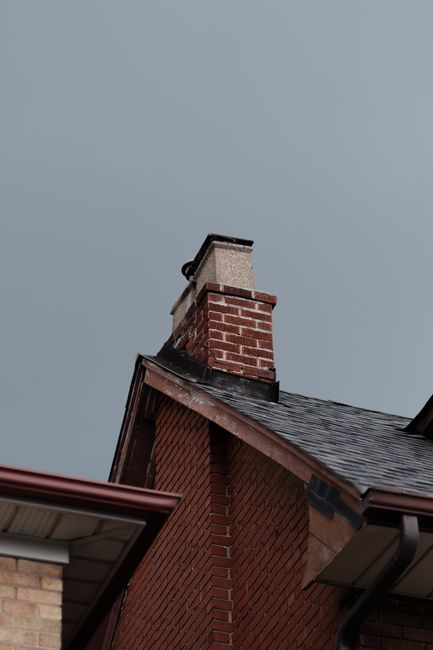
Roof maintenance is often postponed because problems are easy to miss from the ground. In Cheyenne, WY, strong wind, hail, rapid temperature changes, blowing snow, and intense sunlight can expose small weaknesses before they become visible interior damage.
Avoiding a few common mistakes can help homeowners recognize trouble earlier and protect the roof system, attic, insulation, and ceilings below it.
Which roof maintenance mistakes cause the most trouble?
The most damaging mistakes are usually neglecting small defects, walking on roofing materials unnecessarily, using the wrong repair products, and ignoring drainage or attic problems. A roof does not fail only because of age; repeated minor damage and delayed attention can accelerate deterioration.
Common errors include:
- Waiting for an interior water stain before checking the roof
- Assuming missing shingles are the only signs of wind damage
- Cleaning gutters without checking downspouts and drainage paths
- Pressure-washing shingles or flashing
- Covering a leak temporarily without finding its source
- Removing snow or ice with sharp tools
- Ignoring attic moisture, condensation, or poor ventilation
- Performing roof work during unsafe weather or icy conditions
Why is waiting for a leak a serious mistake?
A visible ceiling stain usually means water has already traveled through part of the roof assembly. The actual entry point may be higher up the slope, near a flashing detail, or around a roof penetration.
Water can soak insulation, stain framing, damage drywall, and create conditions that support wood decay. It may also appear only during wind-driven rain or melting snow, so a dry ceiling does not always mean the problem has stopped.
After severe weather, look for:
- Damp or discolored attic insulation
- Water marks around chimneys, vents, skylights, and ceiling penetrations
- Peeling paint or bubbling drywall
- Musty odors
- Drips that appear only during certain wind directions
- Small piles of roofing granules near downspouts
A careful attic check after a major storm can reveal problems before they spread. Do not enter an attic if the floor is unstable, electrical components are wet, or storm damage has made the area unsafe.
Is a quick visual check from the ground enough?
A ground-level inspection is useful, but it cannot reveal every maintenance problem. Binoculars can help identify lifted shingle edges, exposed underlayment, damaged flashing, sagging areas, or debris collecting in valleys.
However, some defects are hidden beneath overlapping materials or occur where the roof meets a wall, chimney, vent, or skylight. A roof can also look acceptable while its flashing sealants, fasteners, or underlayment are deteriorating.
Avoid climbing onto a roof simply to obtain a closer look. Roofing surfaces can be slippery, steep, brittle, or weakened. Ladders also become dangerous when placed on icy ground or used during high winds.
Why should homeowners avoid pressure-washing shingles?
Pressure washing can remove protective granules, loosen shingle edges, damage flashing, and force water beneath roofing materials. It can also shorten the useful life of asphalt shingles by stripping away surface material that helps protect them from sunlight and weather.
Moss, algae, and dirt should not be treated as a reason to use aggressive equipment. In dry, windy conditions, loose debris can also collect around vents, roof valleys, gutters, and roof-to-wall transitions. These areas are better evaluated carefully rather than blasted with high-pressure water.
Tree branches should be trimmed back where they repeatedly scrape the roof or drop large amounts of debris. Cutting vegetation away from the roof is generally safer and more effective than trying to clean every buildup after it occurs.
What gutter and downspout mistakes are common?
Cleaning gutters but ignoring the downspouts is a frequent maintenance error. A blocked downspout can leave water trapped along the roof edge, causing overflow behind the gutter or against exterior walls.
Check that:
- Gutters are securely attached and maintain a slight flow toward the outlets
- Downspouts are open and connected
- Discharge moves water away from the foundation
- Ice has not pulled sections loose
- Leaves, shingle granules, and sediment are not blocking outlets
- Water is not pouring over one section during rain
In areas that receive windblown debris and periodic snow, gutters may need attention more than once a year. Cleaning is safest from the ground with suitable tools or from a stable ladder used according to safety instructions. Never lean a ladder directly against fragile gutters.
Can roof repairs be made with any sealant or caulk?
No. Roof sealants are not interchangeable. A product that works around a bathroom fixture or window may not adhere properly to roofing materials, tolerate ultraviolet exposure, or remain flexible through repeated freezing and thawing.
Using excessive caulk can also hide a problem rather than repair it. Water may continue entering beneath the patch, while the underlying flashing or fastener remains defective.
Temporary weather protection may be appropriate during an active leak, but it should not be treated as a permanent repair. Tarping and patching become especially hazardous during wind, snow, or icy conditions.
Why is walking on the roof risky?
Walking can crack brittle shingles, dislodge granules, bend flashing, and damage ridge or valley areas. Repeated foot traffic is especially harmful on older roofs and during cold weather, when materials may be less flexible.
Foot traffic can also damage roof-mounted components, including vents, satellite supports, skylight edges, and protective membranes. If access is necessary for a legitimate inspection or repair, the surface should be approached with proper safety equipment and an understanding of where weight can be supported.
Homeowners should never walk on a roof during rain, frost, snow, or strong wind.
Should snow and ice always be removed?
Not always. Snow removal from a roof can create more damage than the snow itself if sharp tools scrape shingles or if large amounts are pulled down suddenly.
Avoid chopping at ice dams, prying frozen materials loose, or standing beneath an overhanging snow shelf. Snow sliding from a roof can injure people, damage siding, and break shrubs or lower roof components.
Persistent ice buildup may indicate heat loss, inadequate insulation, blocked ventilation, or air leakage from the living space. Removing surface ice without addressing the cause usually allows the problem to return.
What attic problems should not be ignored?
A roof maintenance plan should include the attic because moisture and heat often reveal problems before the exterior does. Look for damp insulation, frost, rusty fasteners, darkened wood, peeling vapor barriers, or condensation on the underside of the roof deck.
Poorly balanced ventilation can contribute to moisture accumulation and uneven roof temperatures. Exhaust fans from bathrooms, kitchens, or clothes dryers should discharge outdoors through properly sealed routes rather than into the attic.
Attic inspections should be performed carefully. Insulation can conceal wiring, and stepping between ceiling joists can cause injury or damage the ceiling below.
How often should a roof be checked?
A practical schedule is to inspect the roof from the ground and check accessible attic areas at least twice a year, with additional checks after hail, high winds, heavy snow, or unusually strong temperature swings.
Pay particular attention to:
- Roof edges and exposed slopes
- Valleys and areas beneath nearby trees
- Flashing around penetrations
- Gutters and downspouts
- Attic insulation and roof decking
- Loose materials in the yard after storms
The most useful maintenance habit is documenting changes. Photographs taken from safe ground locations can help distinguish new damage from older conditions and make it easier to track whether a defect is spreading.
When does roof maintenance become a safety issue?
Roof work should stop when conditions involve electrical hazards, structural sagging, active lightning, high wind, ice, unstable ladders, or visible storm damage. A damaged roof may also contain exposed nails, broken decking, or weakened surfaces that cannot safely support a person.
In these situations, limit access to the area, protect belongings beneath a leak if it can be done safely, and address the hazard through an appropriately qualified roofing or building professional. Safety is more important than completing a routine inspection on schedule.