

 See My Latest Article on HelloNation
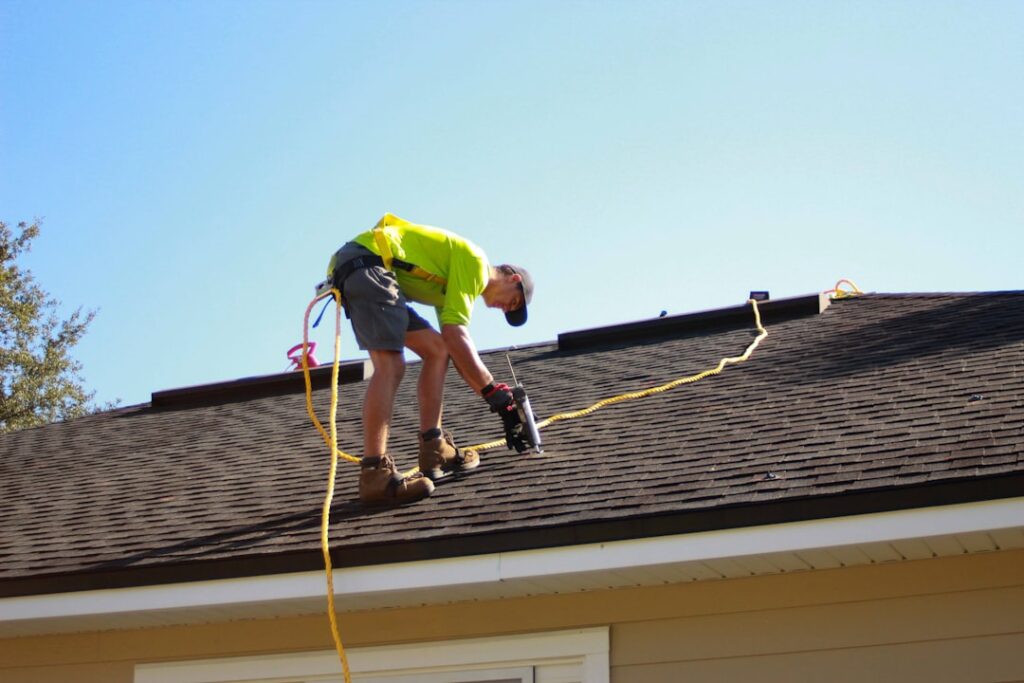
How Do Hailstorms Affect Roofs in Cheyenne, WY?
Hail is a frequent occurrence in Cheyenne, WY, mostly between late spring and summer. Hailstones can range from pea-sized pellets to golf-ball or even baseball-sized chunks of ice. When these fall at high velocity, they can bruise, crack, or puncture roofing materials.
Minor hail may only cause cosmetic blemishes, but larger stones can damage shingles, flashing, and even underlying roof layers. The particular risk in the city is related to its exposure to strong winds that often accompany hailstorms, causing hail to hit the roof at severe angles. The pitch, age, and material of the roof also determine how much damage it will sustain.
What Signs of Hail Damage Should Residents Look For?
The most obvious signs appear on the surface, but some may be subtle and go unnoticed for weeks or longer.
- Shingles may show dents, bruises, or missing granules.
- Cracks or splits might appear in shingles or tiles.
- Metal flashing and vents can have dings or smashed areas.
- Gutters and downspouts might show pitting, especially near roof edges.
- For metal roofs, cosmetic dents are common but leaks are rare unless seams are struck hard.
Granule loss on asphalt shingles is especially concerning in Cheyenne because it can expose the underlying layers to water infiltration, which becomes critical during the windy, wet days that sometimes follow storms.
How Can Wind and Rain From Severe Storms Damage a Roof?
After hail, Cheyenne area storms often bring intense wind gusts and heavy rain. Wind can lift or loosen shingles, peel back flashing, or push water beneath roof covering—a process called wind-driven rain. This type of storm activity causes two main problems:
1. Shingle Lifting: When the wind gets under the edges of roofing, it can compromise attachment and make leaks more likely.
2. Water Entry: Even a few lifted shingles or misaligned flashing allow water to travel into the roof deck, attic, or walls.
Evidence of wind and rain damage might appear as water stains on ceilings or walls inside, or as shingles that appear curled, misaligned, or missing.
Why Is Roof Damage Hard to Spot Right Away?
Roof problems from hail and storms aren’t always instantly noticeable—from the ground, even severely bruised or broken shingles can look normal. Often, leaks or structural issues may not show up until weeks later, following several cycles of rain or snowmelt.
Commonly overlooked signs include:
- Chimney flashing slightly peeled back
- Granules collected in gutters
- Subtle lines or splits on shingle surfaces
Additionally, residents may assume if the roof isn’t leaking immediately, it withstood the storm. In reality, weakened seams or shingles can take time to fail.
Are Certain Roofing Materials More Vulnerable?
Different roofing materials react to hail and storm conditions in distinct ways. In Cheyenne, most homes use asphalt shingles, but other materials are present as well.
- Asphalt Shingles: Prone to bruising, granule loss, and punctures.
- Wood Shakes: Can crack, split, or lose pieces after hail or heavy wind.
- Metal Roofing: Strong against leaks but easily dented by large hail.
- Tile or Slate: Resistant to small hail, but larger stones can cause cracking or breakage.

Due to wind-driven hail, loosely installed or aging materials are at higher risk.
How Often Do Roofs Need to Be Checked After Storms?
Checking a roof after every severe hail or wind event is wise, but in Cheyenne homeowners may not always have easy access or feel comfortable with inspection. Binoculars from the ground can help spot obvious shingle shifting or missing pieces, but many indicators are only visible from above or up close.
After major storms:
- Look for debris collect piles, which can indicate wind disruption.
- Inspect attic spaces for new signs of water or daylight coming through roof decking.
- Pay attention to unusual sounds during the next rain (dripping or tapping in attics).
Routine, post-storm checks are practical for preventing long-term, hidden damage that can eventually lead to more serious repairs.
What Are Common Misconceptions About Storm-Related Roof Damage?
Several myths often circulate the community:
- “If there’s no leak, there’s no damage”: Damage can be present without leaks showing right away.
- “My roof is new, so it’s protected”: Newer materials are resilient but not immune, especially if manufacturing or installation issues exist.
- “Small hail isn’t a problem”: Even small hail can remove granules and lead to early aging.
- “Metal roofs are indestructible”: While they resist leaks, their appearance and fastener seals can still be compromised.
Area households should remember storms don’t have to be extreme to cause gradual roof aging or vulnerability.
What Specific Risks Do Cheyenne Residents Face With Local Weather Patterns?
The local climate brings more than just hail damage; rapidly shifting temperatures can worsen small cracks, while snow melt after storms may reveal or worsen underlying problems. Winds in the city have the potential to escalate minor defects into larger gaps or leaks. Higher elevation and open plains mean residents face both direct hail impact and considerable wind stress, making routine vigilance significant for long-term roof performance.