
 See My Latest Article on HelloNation
What Are the Key Signs That Your Roof Needs Attention?
Visible damage, water leaks, and unusual wear are clear indicators that your roof needs help. In Cheyenne, WY, residents regularly see issues caused by strong winds, heavy snows, and frequent hail. Homeowners should check for:
- Lost or curling shingles, especially after storms
- Water stains on ceilings or attic rafters
- Granules collecting in gutters (common with aging asphalt shingles)
- Sagging or soft spots on the roof surface
- Persistent ice dams in winter
Some damage is cosmetic or minor, such as one or two lost shingles. Other issues suggest deeper problems, like widespread curling or a drooping roofline, which usually signal structural concerns.
How Does Cheyenne’s Climate Affect Roof Lifespan?
The combination of harsh sun, freeze-thaw cycles, snow load, and hail determines how long roofs last in the city. Hail and high winds may shorten the life of asphalt shingles, sometimes causing significant wear in as little as 10-15 years, much sooner than in milder climates. Metal roofs and newer synthetic materials may withstand these forces better, but even these require vigilant care.
Regular inspections after major storms and before winter can catch early signs of trouble. Homeowners in Cheyenne should expect roof components to weather faster than national averages and factor climate into all repair-or-replace decisions.
When Is Repairing a Roof the Right Choice?
Patch repairs make sense if the damage is isolated and the rest of the roof is in reasonable shape. Residents with newer roofs or minor wind damage can often extend their roof’s life span with simple fixes:
- Replacing missing shingles from a windstorm
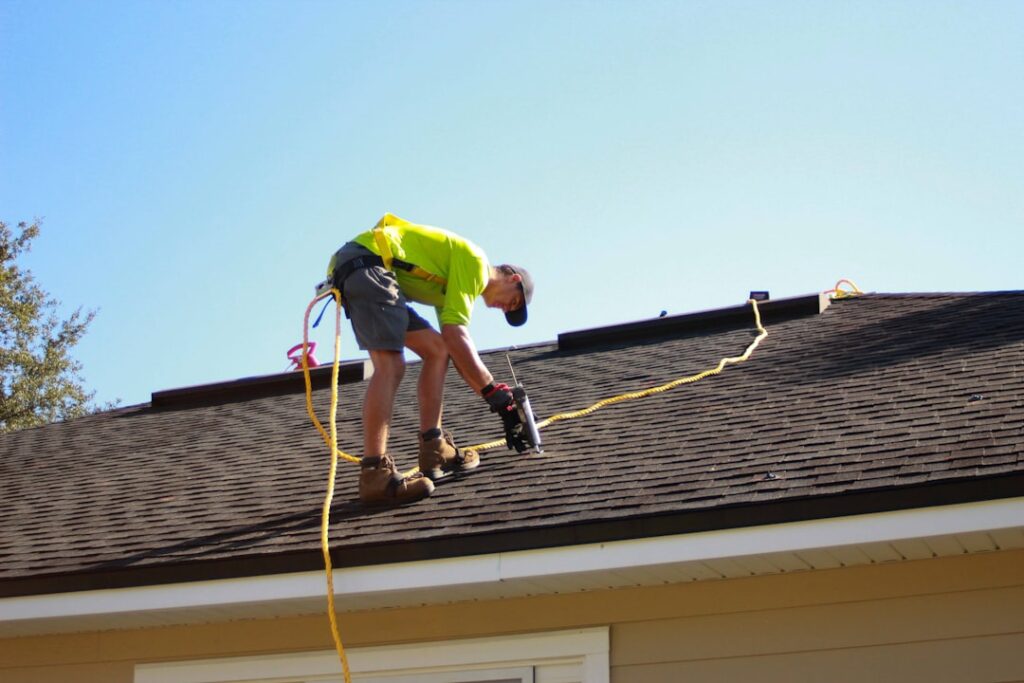
- Sealing minor leaks around flashing or vents
- Repairing small sections after hail impacts
Consider repair when:
- The rest of the roof is still structurally sound
- No widespread water damage has occurred
- Shingles or materials are still commonly available
However, if repairs become frequent or the same spots fail again, the root problem may be more serious than a surface patch can address.
When Does Replacement Make More Sense Than Repair?
Replacement becomes necessary when repairs no longer solve the underlying problems. Signs that a replacement is the most practical step include:
- More than 20-30% of shingles or panels are damaged or missing
- Repeated leaks affecting different areas of the roof
- Visible sagging or widespread rot in the deck or rafters
- Roof age has surpassed its material’s lifespan, especially after repeated hail events
For many in Cheyenne, replacing an aging roof after significant hail, wind, or snow damage can prevent repeated repair costs and avoid moisture problems in the home.

How Does Roof Age Influence the Decision?
The age of your roof is a strong guide for repair vs. replacement decisions. In Cheyenne, many asphalt shingle roofs are past their best after about 15-20 years because of local stressors. If your roof is reaching the end of its expected life and showing widespread deterioration, investing in replacement can provide better long-term value—and may be necessary for insurance or resale purposes.
For roofs still within half of their expected lifespan with only minor or moderate damage, targeted repairs can be cost-effective.
Are There Hidden Factors Cheyenne Residents Should Consider?
Several often-overlooked aspects can influence the repair or replace decision:
- Underlying Deck Condition: Hail and snow can hide structural damage beneath shingles. Soft spots underfoot suggest deeper water intrusion requiring more than just re-shingling.
- Ventilation and Insulation: Inadequate roof airflow can worsen ice dams, rot, and mold—repairing only the surface won’t fix these systemic problems.
- Roofing Material Availability: Matching older or discontinued shingles for spot repairs is sometimes difficult, making otherwise minor fixes more noticeable.
- Local Building Codes and Permit Rules: Changes to city codes, especially after severe weather seasons, may require full replacement to bring older roofs into compliance.
What Common Mistakes Do Homeowners Make?
Some area homeowners delay action, hoping to save money, only to face more urgent and costly problems later—such as mold in attics or structural sagging. Others may repeatedly patch the same area, masking but not solving underlying leaks. In Cheyenne’s climate, ignoring “small” roof problems can quickly lead to much bigger moisture and insulation issues.
Another common misconception is assuming hail damage is “just cosmetic.” Even if shingles simply look pitted, unseen granule loss and cracks can let water in over time, leading to decay.
What Should Local Residents Expect During Either Process?
Both roof repairs and full replacements generate noise, debris, and interruptions. For repairs, expect work to last a few hours to a couple of days, depending on weather and scope. A full replacement for a typical Cheyenne single-family home generally takes several days, with additional preparation if layers need removal or if underlying structures require reinforcement.
Due to the city’s sudden weather shifts, crews may need to schedule work around storms or strong winds, so flexible timing is necessary.
How Does Insurance Affect Repair or Replacement in the Area?
Many household insurance policies in Cheyenne cover hail, wind, or storm damage, especially when repairs or replacement are deemed urgent by an adjuster. Timely documentation—photos, inspection reports, proof of roof age—can make claims easier. Some policies may reduce payouts for older roofs or require updates to meet current standards if replacing.
Review your coverage after major storms and keep an eye on changing insurance requirements that sometimes follow severe weather seasons common in the city.