

 See My Latest Article on HelloNation
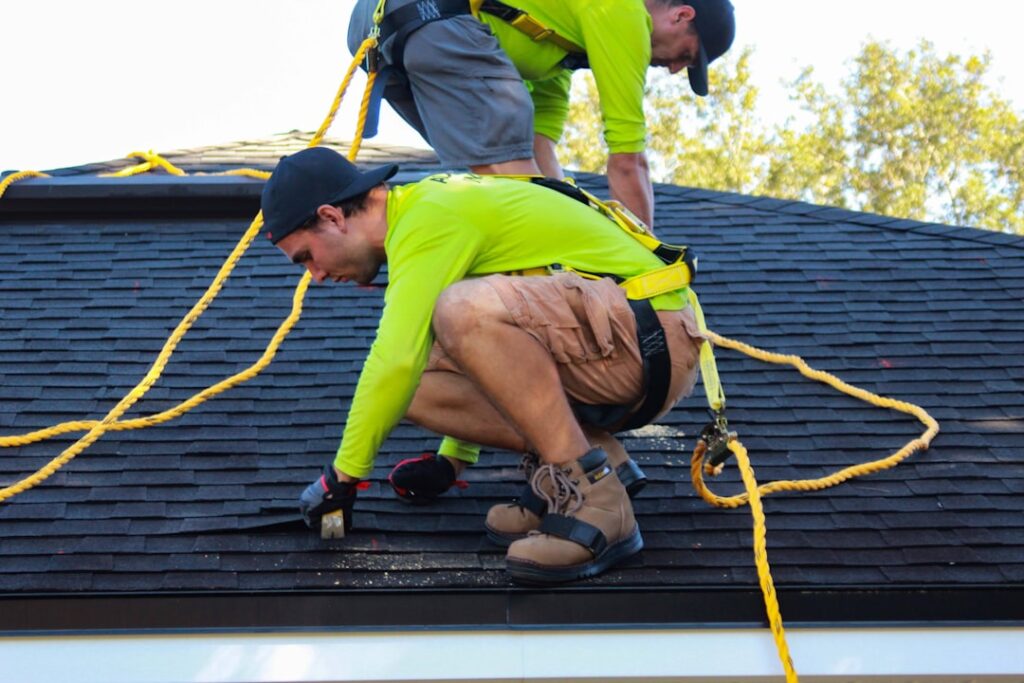
What Months Are Best for Roof Replacement in Cheyenne, WY?
For most homes in Cheyenne, the ideal window for replacing a roof falls between late spring and early fall, with June through September generally offering the most reliable weather. This period typically brings milder temperatures and fewer severe storms, helping ensure roofing materials set properly and work crews can operate efficiently outdoors.
Snow, ice, and frequent freeze-thaw cycles in late fall, winter, and early spring create challenges for both materials and installation safety. Scheduling roof work outside these cold months not only protects the home from weather-related delays but also reduces risks of poor adhesion and improper sealing.
How Does Cheyenne’s Climate Affect Roof Work?
Cheyenne’s high plains setting brings unique weather patterns: sudden temperature swings, hail, intense sunlight, and strong winds all play a role in how and when roofing can be done.
- Winters are often long and chilly, with snow possible as late as April or early May.
- Late spring and early fall typically offer clear periods but can be punctuated by strong wind events.
- Summer brings warm days but relatively little sustained rainfall, which helps roofing crews complete projects without extended disruption.
It’s common for local residents to plan home improvements around these weather windows, often trying to finish major exterior projects before the unpredictable conditions of late fall and winter arrive.
What Are the Risks of Replacing a Roof in Winter or Early Spring?
Replacing a roof during Cheyenne’s cold months can be problematic. Shingles and other materials may not adhere correctly when temperatures are low, increasing the risk of leaks or premature failure. Ice and snow accumulation complicates both safety and installation, while sudden thaws or wind-driven moisture can expose your home to water intrusion if work is delayed.
Material warranties may even be affected by off-season installation in some cases, as manufacturers often specify minimum application temperatures. For these reasons, winter and early spring roof projects are usually best reserved for urgent needs, such as emergency repairs to prevent further damage.
Are There Local Considerations Unique to Cheyenne?
Roofing in Cheyenne means accounting for frequent hailstorms in late spring and early summer, as well as the strong winds that can sweep through nearly anytime. Area households sometimes need to replace roofs earlier than in other regions due to hail impact, wind uplift, or sun exposure shortening the lifespan of common shingle types.
Additionally, roofers and homeowners need to be mindful of building codes and permit requirements, which may impact the timeline for planning a replacement. It’s common practice in the city to coordinate roof work with neighborhood guidelines and with insurance adjusters when storm damage is involved.
What About Scheduling and Wait Times?
Demand for roof replacements in Cheyenne peaks during the most weather-friendly periods. Homeowners often face longer scheduling lead times during summer, especially after significant hailstorms or if many area homes have sustained storm-related damage. Those who plan proactively or opt for early or late season (late May or September) may have more scheduling flexibility and occasionally benefit from more focused attention to their project.

How Can Homeowners Prepare for a Summer Roof Replacement?
Planning ahead ensures a smooth project. Several steps help area residents protect their homes and routines:
- Review local permit requirements to avoid delays.
- Notify neighbors of project dates, especially in close-knit communities.
- Prepare driveways or yards for material deliveries and debris removal.
- Consider timing around family schedules, major summer events, or vacations.
- Monitor weather forecasts for approaching severe storms, which can delay work.
Small preparation measures can make a significant difference—especially when summer hailstorms can prompt urgent repairs citywide.
Are There Any Exceptions When Urgent Replacement Can’t Wait?
Emergency situations, such as severe leaks, storm damage, or structural issues, may leave households with little choice but to proceed outside the optimal season. In these cases, temporary protective measures—like emergency tarping—can sometimes stabilize conditions until more favorable weather returns. Residents facing urgent needs should prioritize safety and weatherproofing above all else, as even temporary repairs may need prompt attention during Cheyenne’s unpredictable winter and spring months.