

 See My Latest Article on HelloNation
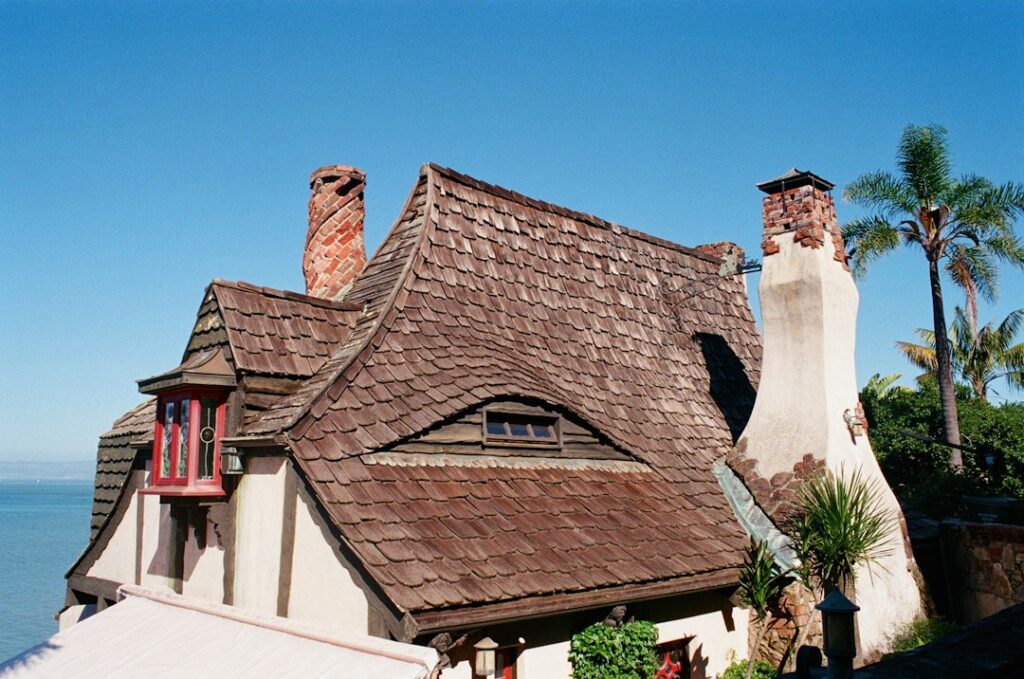
What does poor roofing workmanship look like?
Poor roofing workmanship often appears as repeated small defects rather than one dramatic failure. Uneven shingle lines, exposed fasteners, loose flashing, weak ventilation, and careless cleanup can all indicate that a roof was installed or repaired without adequate attention to detail.
A roof can look acceptable from the ground and still contain serious problems. The most useful inspection combines visible roof surfaces, attic conditions, drainage areas, and the paperwork associated with the work.
In Cheyenne, roofs must handle strong wind, rapid temperature changes, snow, ice, and intense sun exposure. Those conditions can reveal installation mistakes sooner than a mild climate would.
Which visible roof defects should raise concern?
Look for patterns that suggest rushed or inconsistent work. A single minor imperfection may not indicate failure, but several related problems deserve closer attention.
Common warning signs include:
- Shingles that do not form straight, consistent rows
- Wavy areas, buckling, curling, or lifted shingle edges
- Exposed nail heads where they should be covered
- Nails placed too high, too low, or outside the manufacturer’s fastening area
- Shingles that appear loose along eaves, ridges, or roof edges
- Missing starter shingles or irregular starter-course installation
- Ridge caps that are crooked, poorly sealed, or visibly loose
- Excessive roofing cement used to hide gaps or mistakes
- Valleys that look uneven, open, or poorly aligned
- Debris, cut shingle pieces, or loose nails left in gutters or around the home
Straight lines matter because they show whether the installer maintained proper courses and alignment. Uneven rows can also signal inconsistent exposure, which may affect how water moves across the roof.
How can flashing reveal installation problems?
Flashing is one of the most important parts of a roof because it directs water away from joints, penetrations, and changes in roof direction. Poor flashing work is a common source of leaks.
Inspect areas around:
- Chimneys
- Skylights
- Plumbing vents
- Wall intersections
- Valleys
- Dormers
- Roof edges
- Attached structures
Warning signs include flashing that is bent, rusted, cracked, missing, or covered only with surface sealant. Sealant can be useful in limited applications, but it should not replace properly installed step flashing, counterflashing, or metal valley protection.
At wall intersections, step flashing should generally be integrated with the roofing and siding or masonry rather than simply laid on top and sealed. If the flashing appears exposed in a way that allows water to run behind it, the area may be vulnerable.
A chimney is especially revealing. Flashing should work with the chimney structure and roof covering as a system. Thick patches of roofing cement around the base may indicate an attempt to cover a poor repair.
What should a homeowner check in the attic?
The attic can reveal problems that are invisible from outside. Examine the underside of the roof deck during daylight and after precipitation if it is safe to do so.
Look for:
- Dark water stains or fresh damp areas
- Mold-like growth or persistent musty odors
- Rusted nails
- Wet insulation
- Drips or discoloration near roof penetrations
- Sagging roof sheathing
- Frost buildup during cold weather
- Light visible through areas that should be sealed
Not every attic stain proves that the current roof installation is defective. Older stains may be inactive, and condensation can sometimes resemble a roof leak. However, active moisture, repeated staining, or wet insulation should not be dismissed.
Ventilation is another important clue. Exhaust vents should discharge outdoors rather than into the attic. Blocked or poorly balanced intake and exhaust ventilation can contribute to condensation, premature shingle aging, and ice-related problems.
Can gutters and roof edges show poor workmanship?
Yes. Roof drainage details often expose installation errors.
Gutters may contain large amounts of shingle granules after a new roof is installed. Some granule loss is normal, but heavy or continuing loss can indicate damaged shingles, aggressive handling, or material problems. Loose nails and large quantities of scraps suggest inadequate cleanup.
Check whether:
- Shingles extend properly over the roof edge
- Drip edge metal is continuous and securely fastened
- Water is directed into the gutter rather than behind it
- Fascia boards show staining or rot
- Downspouts remain securely connected
- Ice or snow appears to have pushed materials out of alignment

A roof edge that lacks proper drip edge protection may allow water to reach the roof deck or fascia. In a place with freezing temperatures and repeated snowmelt, small drainage defects can become larger problems over time.
What signs appear after wind, snow, or hail?
Weather does not always cause the original defect. Sometimes it exposes weak installation.
After strong wind, inspect from the ground for lifted, missing, or displaced shingles. Pay attention to roof edges, corners, ridges, and areas around vents, because wind pressure is often greatest there.
After snow or ice, watch for:
- Water stains near exterior walls
- Icicles combined with indoor moisture problems
- Repeated leaks during thawing
- Gutters pulling away from the roofline
- Damaged flashing around penetrations
- Shingles that remain lifted after conditions improve
A shingle that repeatedly lifts in moderate wind may have been under-fastened, improperly sealed, or installed on a surface that was not adequately prepared. Roofing materials should not be judged solely by their appearance immediately after severe weather, but recurring movement is a meaningful warning sign.
What workmanship problems are easy to miss?
Some of the most important defects are not obvious from the yard.
A roof may have a clean appearance while still containing:
- Nails driven through the wrong part of a shingle
- Inadequate overlap between materials
- Improper underlayment installation
- Blocked ventilation channels
- Flashing installed beneath materials that should protect it
- Roofing installed over a damaged or uneven deck
- Old, deteriorated flashing left in place
- Mismatched repairs that do not properly integrate with surrounding materials
Another overlooked issue is installation during unsuitable conditions. Very cold weather can affect the sealing of some asphalt shingles, while wet or icy surfaces can create safety and adhesion problems. Materials may seal later in warmer weather, but installation quality still depends on correct fastening and placement at the time of work.
How can you distinguish poor workmanship from normal aging?
Normal aging usually affects materials in a relatively consistent pattern. Poor workmanship tends to create localized problems, irregular lines, premature movement, or failures concentrated around details.
For example, widespread color fading after years of sun exposure may be normal. A cluster of curled shingles around one vent, however, may suggest a ventilation, fastening, or flashing issue.
Likewise, a small amount of granule loss may occur with ordinary wear. Granule loss concentrated beneath one roof section, especially soon after installation, deserves closer examination.
Keep records of the installation date, repairs, storms, leaks, and photographs. Comparing the same areas over time can help separate gradual aging from a defect that is progressing.
When does a roofing problem require prompt attention?
Immediate attention is appropriate when water is actively entering the home, the roof deck is sagging, large sections are loose, electrical components have been exposed to moisture, or structural damage is visible.
Avoid climbing onto a roof that is wet, icy, steep, or damaged. Strong wind can also make roof access hazardous, particularly near edges and ridges. Ground-level photographs taken with a zoom lens can document many concerns without creating an additional safety risk.
For suspected workmanship defects, preserve invoices, contracts, photographs, inspection notes, and records of communication. If a dispute involves a warranty, building requirements, or significant property damage, an independent inspection may help establish whether the issue is related to installation, materials, weather, ventilation, or deferred maintenance.
The most reliable assessment considers the entire roofing system—not just whether the shingles look new. A properly installed roof should shed water, remain securely fastened, protect vulnerable joints, and perform as a coordinated system through wind, snow, sun, and seasonal temperature changes.