

 See My Latest Article on HelloNation
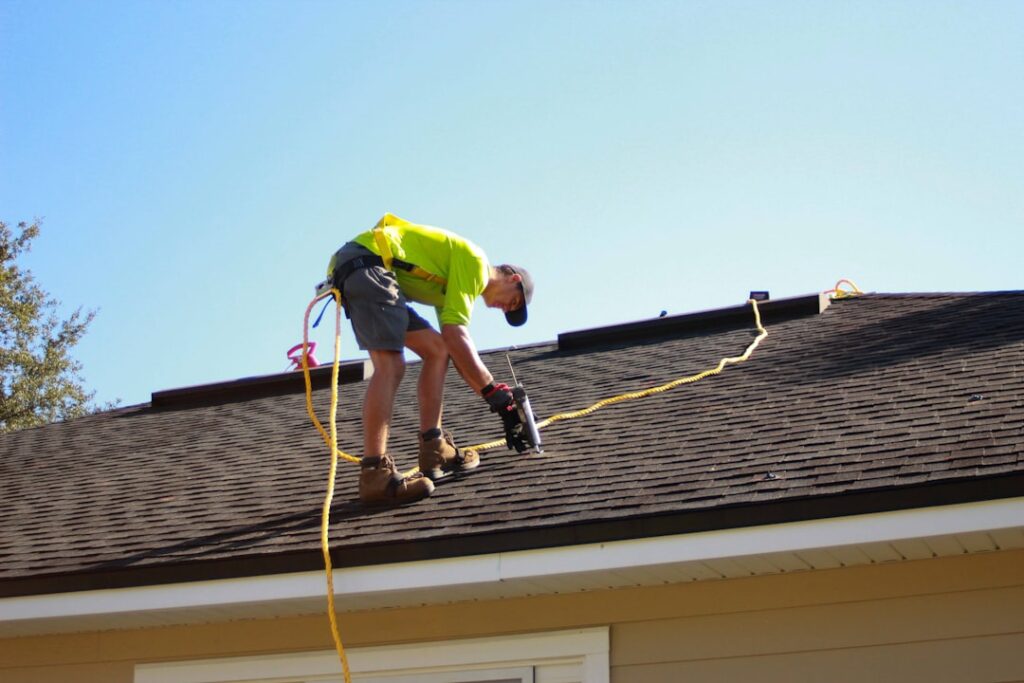
What Kinds of Roof Damage Does Homeowners Insurance Typically Cover?
Homeowners insurance in Cheyenne, WY often covers roof repairs caused by events that are sudden, accidental, and specifically named in your policy. These commonly include damage from hail, wind, fire, and falling objects. For Cheyenne residents, this means protection against some of the harshest weather—like spring hail storms or winter wind gusts—is part of many standard policies.
Coverage usually applies only if the roof damage was not caused by neglect, age, or routine wear and tear. Insurance providers expect that homeowners keep roofs in reasonably good condition. If a storm rips off shingles or hail punches holes, insurance may help pay for repairs. But if a roof simply leaks after years of sun and snow exposure, costs are usually not covered.
How Do Local Weather Patterns in Cheyenne Affect Coverage?
Cheyenne’s climate brings unique risks: frequent hail, high winds, and rapid temperature swings. Most local policies specifically mention hail and windstorm coverage. This is especially critical in the area, where hailstorms can quickly leave dents, cracks, or missing shingles.
Homeowners should be aware that repeated hail or wind claims can sometimes lead to higher deductibles on those risks, or the need for separate wind/hail deductibles. In particularly storm-prone neighborhoods, some older policies may include special limits or exclusions related to these perils. Checking your specific policy language is key.
What Damage Is Not Covered by Homeowners Insurance?
Roof leaks or structural issues that result from neglect, poor maintenance, or general aging are virtually never covered. Insurance is designed for unpredictable events—not problems that can be avoided with routine inspection or minor repair.
Common situations not covered include:
- Roof leaks from long-term deterioration
- Damage due to moss, mold, or algae growth
- Problems caused by improper installation or defective materials
- Gradual loss of granules or curling from old roofing shingles
Additionally, some policies have exclusions for cosmetic damage, like minor dents in metal roofs, unless functionality is impaired.
What Should You Do After Storm Damage in Cheyenne?
If a major hailstorm or wind event damages your roof, document the situation quickly. Take clear photos and written notes about the date, time, and visible symptoms. Do not attempt large repairs if conditions are unsafe, such as during snow, ice, or lightning.
Prompt reporting of damage to your insurance provider increases the likelihood of a smooth claims process. Most policies require timely notice, and delaying could weaken your claim. Temporary steps, such as tarping over exposed areas to prevent water entry, are generally encouraged to avoid further damage.
How Do Insurers Determine Whether to Repair or Replace Your Roof?
The outcome often depends on the severity and scope of the roof damage. Insurance adjusters typically inspect the whole roof, assessing:
- Age and general condition of the material
- Type and extent of damage (localized vs. widespread)
- The ability to match replacement shingles or roofing style

If damage is limited to a small area and matching materials are available, patch repairs are common. However, after severe hailstorms—frequent in the region—a full roof replacement might be required if shingles or materials are no longer available or if damage affects roof integrity.
Do You Need a Roof Inspection to File a Claim?
For significant roof damage from storms, an official inspection is usually required by most insurers. Many will send an adjuster or approved inspector to verify the cause and extent of the loss. Homeowners in the area should save maintenance records, warranty information, and any roof upgrade receipts, as these can help clarify coverage eligibility when filing a claim.
Are There Local Requirements or Codes That Affect Claims?
Cheyenne’s building code may require that repairs or replacement meet current materials and installation standards, not just a match to previous work. If your policy includes “ordinance or law” coverage, it could help absorb extra costs for code upgrades that become necessary during insurance-paid repairs.
For example, if regulations now require better underlayment or specific wind/hail-resistant materials, and the damaged section didn’t have them before, some policies pay the difference—if you have this added coverage.
What Is a Deductible and How Does It Affect Your Out-of-Pocket Cost?
The deductible is the amount the homeowner pays before insurance steps in. For roof claims in Cheyenne, it’s increasingly common for insurers to apply separate wind or hail deductibles, sometimes set as a percentage of the home’s insured value rather than a flat fee.
For example, on a $300,000 home with a 1% wind/hail deductible, the homeowner pays the first $3,000 of approved roof repairs or replacement. Understanding your deductible—and whether you have separate ones for specific perils—will help avoid surprises if repairs are needed.
What Should You Know About the Age of Your Roof and Limited Coverage?
The age and current condition of the roof can impact what insurance will pay. For roofs nearing the end of their expected lifespan, insurers may offer only actual cash value (ACV), meaning depreciation is deducted from any payout. Newer roofs, or those with documented upgrades, are more likely to be covered for the full replacement cost—provided all other conditions are met.
Area households should review their policies each year, especially after reroofing or completing major repairs, to ensure coverage is appropriate for the roof’s age and type.