

 See My Latest Article on HelloNation
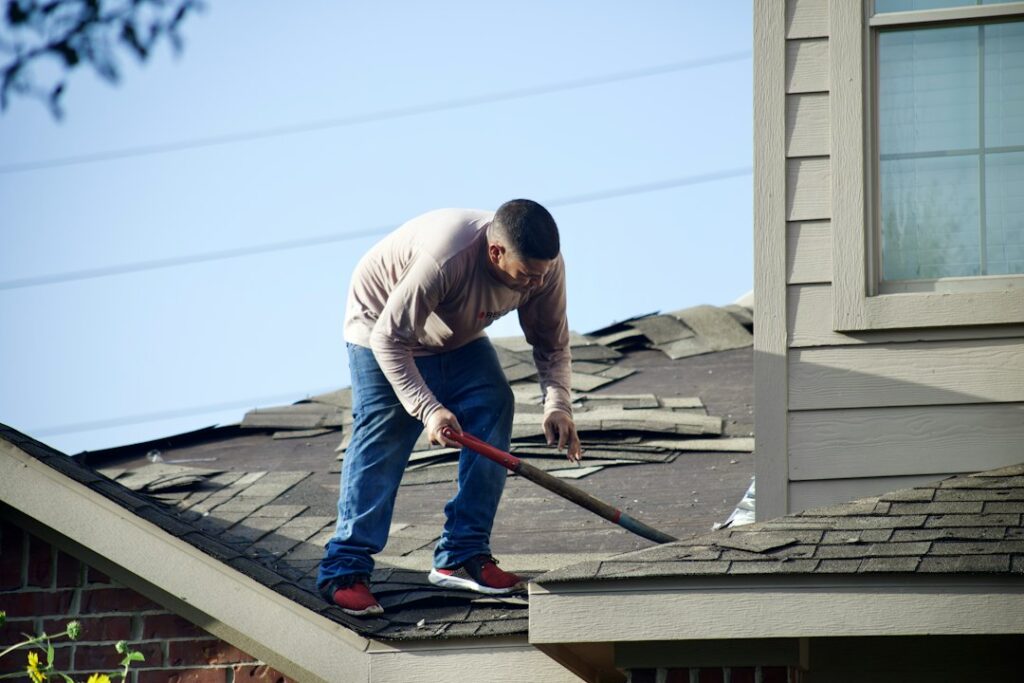
What should you do first after roof damage?
After discovering roof damage, prioritize safety, prevent additional damage if reasonably possible, document the condition, and notify the insurance company promptly. Do not climb onto a steep, icy, or visibly unstable roof just to inspect it.
Cheyenne, WY homes can experience roof problems after high winds, hail, blowing snow, ice, and rapid temperature changes. Damage may not always be obvious from the ground. Missing shingles, lifted flashing, dented vents, damaged gutters, and ceiling stains can all indicate that a storm affected the roof system.
Start by:
- Keeping people away from unsafe areas.
- Moving furniture or belongings away from active leaks.
- Placing containers under dripping water.
- Shutting off electricity near wet fixtures if it can be done safely.
- Covering exposed areas temporarily only if the work can be completed without creating a safety hazard.
- Photographing conditions before cleanup or repairs.
Insurance policies generally require homeowners to take reasonable steps to prevent further damage. Keep receipts for emergency materials, temporary labor, water removal, or short-term lodging. Temporary repairs are not the same as permanent repairs, and major work should generally wait until the insurer has had a reasonable opportunity to inspect the damage. ([content.naic.org](https://content.naic.org/article/consumer-insight-after-storm-read-fine-print-avoid-signing-away-your-insurance-benefits?utm_source=openai))
Does every roof problem qualify for insurance coverage?
No. Coverage depends on the cause of damage, the wording of the policy, exclusions, deductibles, and the roof’s condition before the event.
Many homeowners policies cover sudden damage from listed events such as windstorm or hail. They may not cover gradual deterioration, poor maintenance, manufacturing defects, improper installation, or damage that existed before the recent storm. A roof that is old or worn may also be adjusted differently from a newer roof.
Review the declarations page and policy language for:
- Covered causes of loss, sometimes called covered perils.
- The dwelling coverage limit.
- Actual cash value or replacement cost coverage.
- A roof-specific, wind, hail, or percentage deductible.
- Exclusions for wear, neglect, or repeated seepage.
- Coverage for detached structures, gutters, fencing, and personal property.
- Additional living expense coverage if the home cannot safely be occupied.
A deductible is the portion of a covered loss that the homeowner pays. Some policies use a flat dollar amount, while others apply a percentage of the home’s insured value or a special amount for wind, hail, or the roof itself. ([content.naic.org](https://content.naic.org/insurance-topics/homeowners-insurance?utm_source=openai))
How do you document storm damage?
Good documentation helps establish what happened, when it happened, and what property was affected. Take wide photographs showing the entire roof and house, followed by closer photographs of damaged areas visible from the ground.
Also document:
- The date and approximate time of the storm.
- Weather conditions, such as hail, strong wind, or heavy snow.
- Interior stains, damaged drywall, wet insulation, or damaged belongings.
- Broken vents, skylights, gutters, siding, fencing, or exterior equipment.
- Temporary repairs and related receipts.
- Any pre-storm photographs showing the roof’s earlier condition.
Avoid discarding damaged materials before the insurer has reviewed them unless they create a health or safety concern. If damaged items must be removed, photograph them first and keep samples or documentation when practical.
A written timeline is useful. For example, note that hail occurred on a particular evening, a ceiling stain appeared the following morning, and a temporary covering was installed later that day.
When should you report the claim?
Report the loss as soon as practical after discovering it. Policies may contain reporting deadlines, and prompt notice gives the insurer an opportunity to investigate before evidence changes.
Use the claims phone number or online reporting method listed in the policy. Ask for:
- A claim number.
- The name and contact information of the assigned adjuster.
- A list of documents the insurer needs.
- The deadline for submitting forms or estimates.
- Instructions for emergency mitigation and temporary repairs.
- Confirmation of whether an inspection will be scheduled.

Keep a claim file containing the policy, photographs, receipts, inspection notes, emails, letters, and a log of phone calls. Record the date, representative’s name, subject of the conversation, and any promised follow-up.
What happens during the insurance inspection?
The insurer may send a company adjuster or an independent adjuster to inspect the roof, exterior, attic, and interior. The adjuster evaluates the cause and extent of damage, reviews the policy, applies the deductible, and prepares an estimate. The adjuster may also review temporary repairs and discuss whether additional inspections are needed. ([content.naic.org](https://content.naic.org/article/what-you-should-know-about-settling-homeowners-insurance-claim?utm_source=openai))
An adjuster’s inspection is not necessarily a final repair plan. Some damage is concealed beneath shingles, underlayment, flashing, insulation, or roof sheathing. If interior evidence suggests a roof leak but the exterior cause is unclear, ask how the insurer plans to evaluate concealed damage.
You may provide photographs, maintenance records, prior inspection reports, and written repair information. Be accurate and avoid guessing about the age, cause, or extent of damage. Describe what was observed and when it was discovered.
What if the insurance estimate seems too low?
Compare the insurer’s estimate with the actual scope of damage, not simply with a preferred repair price. Check whether the estimate includes tear-off, disposal, underlayment, flashing, ventilation components, permits if applicable, interior repairs, gutters, and code-related work covered by the policy.
Ask the insurer to explain:
- Which items were accepted or denied.
- What deductible was applied.
- Whether payment is based on actual cash value or replacement cost.
- Whether depreciation was withheld.
- What documentation is required for recoverable depreciation.
- Whether supplemental damage can be considered after work begins.
Wyoming has specific rules addressing adjustment of certain residential roof damage. The state rule provides that, in some circumstances involving obsolete shingles and partial damage across a full roof slope, adjustment may be made on the basis of the full roof. The exact application depends on the policy, facts, and current law, so the written explanation from the insurer matters. ([wyoleg.gov](https://www.wyoleg.gov/ARules/2012/Rules/ARR16-066P.pdf?utm_source=openai))
Do not sign an assignment of insurance benefits, authorization, or settlement agreement without reading it carefully. Documents that transfer claim rights or promise payment can affect future decisions about the claim.
What should you do if the claim is denied?
Request the denial in writing. The explanation should identify the policy provision or factual reason supporting the decision. Compare that explanation with photographs, weather records, inspection findings, maintenance records, and any other evidence.
A homeowner can ask the insurer to reconsider by submitting a clear written response with supporting documentation. Keep copies of everything and continue communicating in writing when possible.
If the dispute is not resolved, the Wyoming Department of Insurance can answer general insurance questions and investigate complaints involving issues such as improper claim denials, low offers, delays, or concerns about whether a reasonable investigation occurred. The department does not act as a private attorney, determine the value of a loss, or force an insurer to pay a particular amount. ([doi.wyo.gov](https://doi.wyo.gov/consumers/information?utm_source=openai))
Roof claims are easier to manage when the record is organized: document the event, protect the property, understand the deductible, ask for written explanations, and preserve every estimate and communication connected to the loss.