

 See My Latest Article on HelloNation
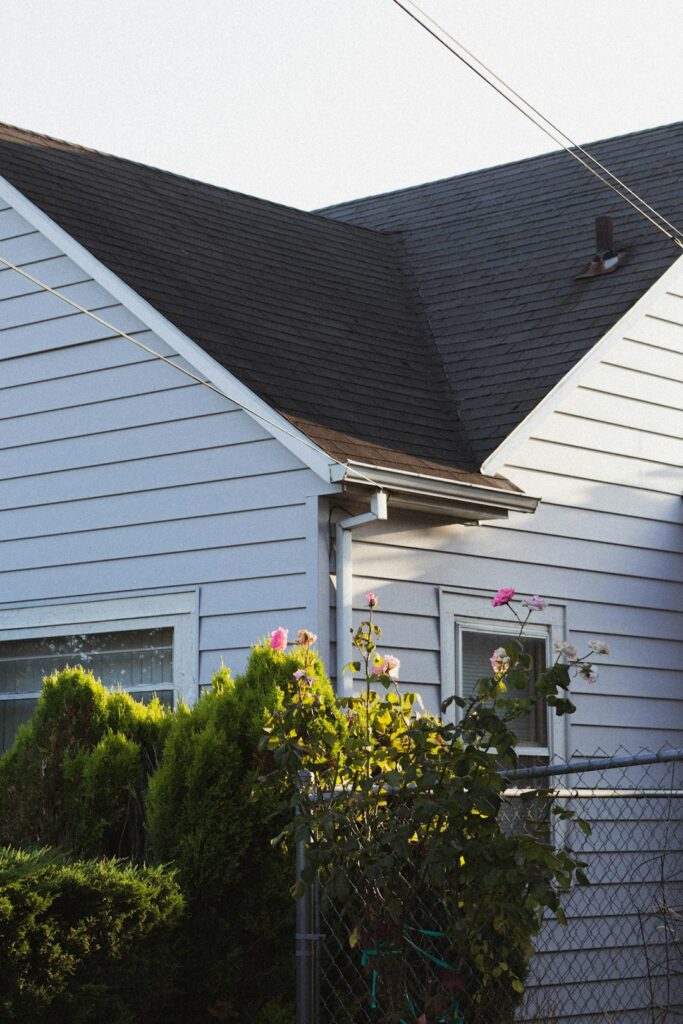
Why Does Roof Maintenance Matter in Cheyenne, WY?
Frequent strong winds, heavy spring snow, and dramatic temperature swings in Cheyenne, WY can all take a toll on residential roofs. Staying attentive to roof maintenance helps local homeowners avoid costly and unexpected damage, catch minor issues early, and stretch the roof’s lifespan despite the region’s challenging climate.
Even a well-built roof benefits from timely upkeep. Changes in weather put ongoing stress on materials and seams, especially in wide-open areas exposed to intense sun and wind.
What Are the First Signs Your Roof Needs Attention?
Some signs of roof problems can be subtle, while others are more visible. Early detection is key to preventing leaks or structural issues.
Look for:
- Missing, curling, or buckling shingles—especially after windstorms
- Shingle granules collecting in gutters
- Dark patches, stains, or moss on shingles or decking
- Rust or gaps around metal flashing
- Sagging areas or uneven roof lines
- Persistent ice dams or unusually heavy icicle formation in winter
- Water stains or mold inside on the ceiling or walls
Homeowners who notice even small changes after a storm or season shift should investigate right away. Taking photos of your roof each season can help you spot differences year by year.
How Often Should You Inspect Your Roof?
At minimum, check the roof’s condition twice yearly—once in early spring and again in fall. Inspections after major wind events, hail, or heavy snowfall are also helpful. For many households, a pair of binoculars provides a close-enough look from the ground on dry, clear days.
- In spring, look for freeze/thaw damage, shingle loss, and clogged gutters.
- In fall, clear off leaves, branches, and check for loose flashing.
For two-story homes or steep roofs, safety comes first: use a sturdy ladder and never climb onto an icy or wet surface.
What Routine Tasks Can Homeowners Handle Safely?
Several regular tasks make a big difference in roof longevity and can usually be handled without climbing onto the roof itself:
- Keep gutters and downspouts clear, especially after each storm or when cottonwoods are shedding
- Trim tree branches several feet away from the roof to prevent abrasion and debris buildup
- Remove fallen leaves, pine needles, and small debris with a roof rake or a gentle leaf blower if conditions are safe
- Check attic insulation and ventilation—good airflow helps prevent ice dams and rot
Avoid using pressure washers on shingles, which can damage protective granules typical of roofs in the area.
How Does Weather Affect Roof Maintenance in the City?
The local climate shapes how residents approach seasonal upkeep:
- High winds frequently blow debris or loosen shingles. After storms, even undamaged roofs may shed small parts or shift flashing.
- Heavy, wet spring snows can lead to ice dam formation at the eaves. Keeping gutters free-flowing helps avoid meltwater backing up under shingles.
- Wild temperature swings—common in spring and fall—can age sealants or adhesives faster.

Early snow removal from accessible eaves may help prevent ice dams, but use a roof rake designed for the task and avoid chipping at ice, which risks shingle damage.
Are There Tasks Best Left to Qualified Professionals?
Repairs involving climbing onto steep or high roofs, replacing shingles on difficult slopes, or working with electrical components such as solar panels or attic fans should be left to those with the right expertise and equipment.
When large storm damage occurs or hidden leaks cause interior water stains, assessment by a qualified professional may be appropriate for safety and to ensure proper repairs. Handling moldy or saturated materials also warrants special precautions.
What Maintenance Mistakes Do Homeowners Commonly Make?
The most common missteps typically include:
- Overlooking minor damage after a storm, assuming it “looks fine from the ground”
- Letting moss or algae grow unchecked, believing it is harmless
- Using heavy tools or harsh chemicals for cleaning, which can damage shingle surfaces
- Failing to check flashing and vent boots; leaks often start in these less-visible areas
- Ignoring attic moisture or ventilation, which can accelerate shingle aging from below
Monitoring gutters in particular is a key local concern. Blocked or sagging gutters lead to water pooling near the foundation and can create ice problems in winter.
What Low-Cost Habits Extend Roof Lifespan?
Residents often ask how to stretch their roofs’ usable years without big outlays. Consistent small actions help:
- Promptly clear small debris after each storm or wind event
- Sweep off valleys and eaves where snow and leaves collect
- Walk the home’s perimeter monthly, checking for shingle, gutter, or siding issues
- Snap photos after each season for comparison and records
- Replace weathered or missing caulk around vents and flashing
- Make minor repairs (like replacing a vent boot cover) before snow or rain arrive
No single habit is more important than simply paying attention. Small, regular steps provide the best insurance for staying ahead of Cheyenne, WY’s diverse and sometimes unpredictable weather.