

 See My Latest Article on HelloNation
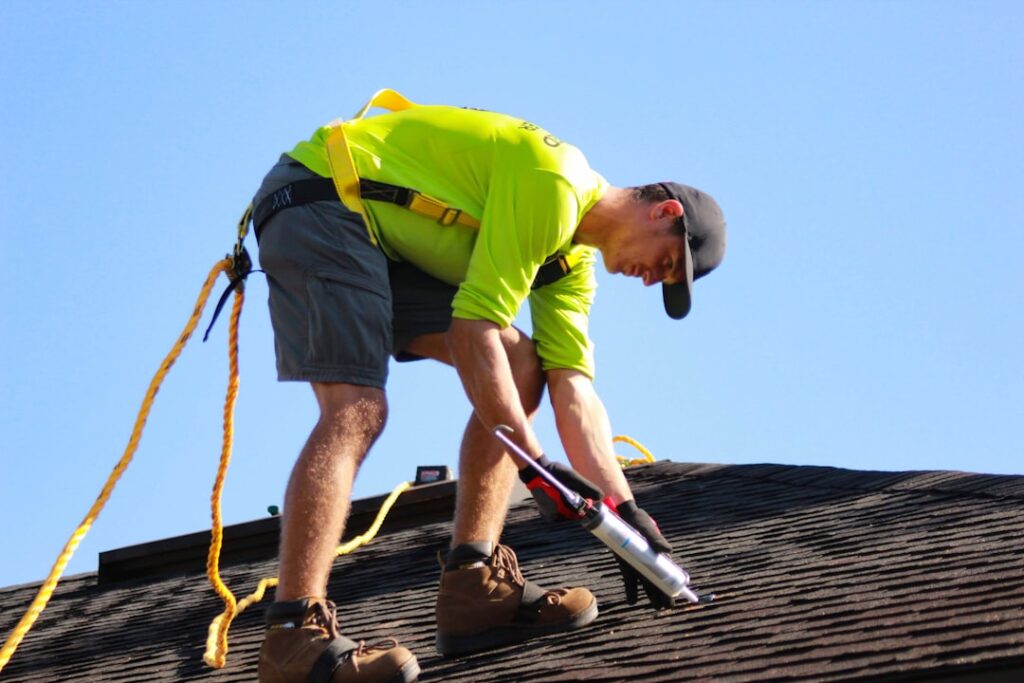
How Does Roof Material Choice Impact the Environment?
The roofing materials chosen for homes in Cheyenne, WY can influence energy use, waste, and local ecosystems. Some options have higher environmental costs due to the energy involved in their production, their effects on home heating and cooling, and their final disposal.
While no roofing material is entirely impact-free, understanding key differences helps local homeowners make informed choices that balance durability, comfort, and their environmental footprint.
What Are the Most Common Roofing Materials Used Locally?
In Cheyenne, the most widely used residential roofing materials are asphalt shingles, metal roofing, concrete or clay tiles, and wood shakes.
- Asphalt Shingles: Affordable, easy to install, but often end up in landfills at the end of their lifespan.
- Metal Roofing: Increasing in popularity due to durability and recyclability.
- Tiles: Clay and concrete tiles are less common but provide long-lasting performance with unique environmental trade-offs.
- Wood Shakes and Shingles: Seen on some older and historic homes but less favored due to fire risk and upkeep needs.
Each type brings different environmental considerations, especially in a region with high winds, hailstorms, and dramatic temperature shifts.
How Do Roofing Materials Affect Home Energy Efficiency?
Certain roofing types help maintain comfortable indoor temperatures, affecting both energy use and environmental impact.
Roofs with reflective or “cool” properties, like many metal roofs, reflect more sunlight and absorb less heat. This can make a noticeable difference during summer in Cheyenne, easing the burden on air conditioning systems. Asphalt shingles, unless specifically treated, tend to absorb and retain more heat.
Local households with energy-efficient roofs may see:
- Lower air conditioning use in warmer months
- Marginally improved comfort during temperature swings
It’s a common misconception that only color matters; in reality, both material and surface finish are significant.
What About the Manufacturing and Transport Environmental Costs?
The impact begins before a single shingle is nailed in place. Manufacturing involves different amounts of raw materials, energy, and emissions.
- Asphalt shingles are made from petroleum products, requiring significant energy to produce. Their lighter weight means less fuel used in transport.
- Metal roofing production is energy-intensive, but recycled content can reduce environmental costs and the finished panels can travel efficiently.
- Clay and concrete tiles require substantial energy to fire or cure, and their weight increases transportation emissions.
- Wood shakes come from harvested trees—responsible sourcing is key, as some products may contribute to deforestation.
Considering the full lifecycle, residents can look for materials with recycled content or those certified for sustainable sourcing.
Can Roofing Materials Be Recycled in Cheyenne?
End-of-life disposal makes a major difference in long-term environmental impact. Unfortunately, most roofing waste nationally ends up in landfills.
- Asphalt Shingles: Some recycling programs exist in certain regions, turning old shingles into road base. Local access varies; most torn-off shingles go to landfill.
- Metal Roofing: Highly recyclable. Scrap yards typically accept used panels for reprocessing.
- Clay/Concrete Tiles: Some can be reused or crushed for fill, but local recycling depends on construction and demo companies’ practices.
- Wood Shakes: May be chipped and composted if untreated, but painted or chemically-treated shakes go to landfill.

Local residents concerned about waste may want to ask about recycling providers if planning a roof replacement.
How Do Roofing Materials Stand Up to Cheyenne's Climate?
Repeated hail, snow, and high winds mean that roofing material choice affects not just durability but how often materials have to be replaced—and therefore, their lifecycle environmental cost.
- Metal Roofing: Highly resistant to hail and wind, usually outlasting asphalt by decades and reducing frequent replacements.
- Asphalt Shingles: Prone to damage in severe storms; require more frequent replacement, which adds to environmental waste.
- Tiles: Resistant to fire and durable if they avoid breakage from hail or debris.
- Wood Shakes: Vulnerable to moisture and wind damage, plus regular maintenance for weather-resistance.
Durability means less frequent tearoffs and reduced resource use over a home's lifespan.
How Do Local Building Codes Affect Environmental Impact?
Regulations in Cheyenne influence which materials are commonly used and their installation. For example, high fire risk in prairie environments has led to restrictions on flammable wood shakes. Updated codes often favor materials with tested wind and impact resistance, which can extend roof life and moderate landfill waste across the region.
Knowing local restrictions may help residents choose greener, compliant options that last longer in Wyoming weather.
What Hidden Factors Should Residents Consider?
Beyond the obvious, several other factors matter:
- Albedo and Urban Heat: Lighter-colored roofs or cool coatings reflect more sun, reducing local temperature spikes known as the “urban heat island effect.”
- Roof Decking and Insulation: The underlying structure and insulation can amplify or dampen energy benefits of any material.
- Wildlife Impact: Wood shakes can harbor pests if not maintained, while metal and tile offer fewer habitats for problem insects and birds.
A practical approach weighs not only initial purchase, but also upkeep, expected lifespan, waste, and comfort for the household.
Are “Eco-Friendly” or Green Roofing Options Practical Here?
Interest in green roofs (where plants grow on the roof surface) or solar-integrated roofing exists, but these technologies remain rare due to climate extremes and added engineering needs. Metal and recycled-content shingles present more practical ways to reduce impact while ensuring resilience. Roofing longevity, local recyclability, and low ongoing maintenance often provide the greatest environmental benefits in Cheyenne.