

 See My Latest Article on HelloNation
What Should You Check First on Your Roof After a Storm?
Start by examining the roof from the ground to identify visible damage. Look for missing shingles, debris, or obvious punctures that could allow water in. In Cheyenne, heavy winds and hail are common and can move or break shingles, especially on older homes.
Avoid climbing on the roof right away. Use binoculars, if available, to get a closer look at potential problem areas like valleys, ridges, and above entryways. Hail might leave dark spots or dents, while wind damage often results in curled, missing, or displaced shingles. Don’t forget to check for problems around attic vents, chimneys, and skylights.
If you notice sagging sections, it may indicate water accumulation or structural stress and should be handled with extra caution.
How Can You Assess Interior Signs of Roof Leaks?
Check your attic and upper floor ceilings for signs of water intrusion. In the days following a storm, stains can appear even if they weren’t visible at first.
- Look for new spots of dampness, stains, or peeling paint.
- Notice musty odors that can develop quickly after a roof leak.
- Listen for dripping sounds during or after rainfall.
Turning off lights and shining a flashlight upward can make moist spots stand out more clearly on insulation or woodwork.
When Is It Safe to Go On the Roof Yourself?
Only access the roof if you are confident in your ability and if conditions are safe: dry, calm, and daylight. Roofs can be very slippery after rain, hail, or snow, and winds in Cheyenne can persist after a storm. If there’s visible structural damage, wait until a qualified person inspects it.
Residents who attempt DIY inspections should wear soft-soled, non-slip shoes and use a harness if available. However, for steep roofs or significant damage, prioritize safety over speed.
What Immediate Actions Can Prevent Additional Damage?
Cover damaged areas with a tarp to limit water entry if more precipitation is expected. Secure the tarp several feet beyond the damaged spot and weigh it down at the edges. Make sure it won’t shift if winds pick up again, which is a frequent occurrence in the city.
Indoors, use buckets or waterproof containers to catch drips and move valuables away from suspect areas. Remove wet insulation or ceiling tiles to limit mold growth.
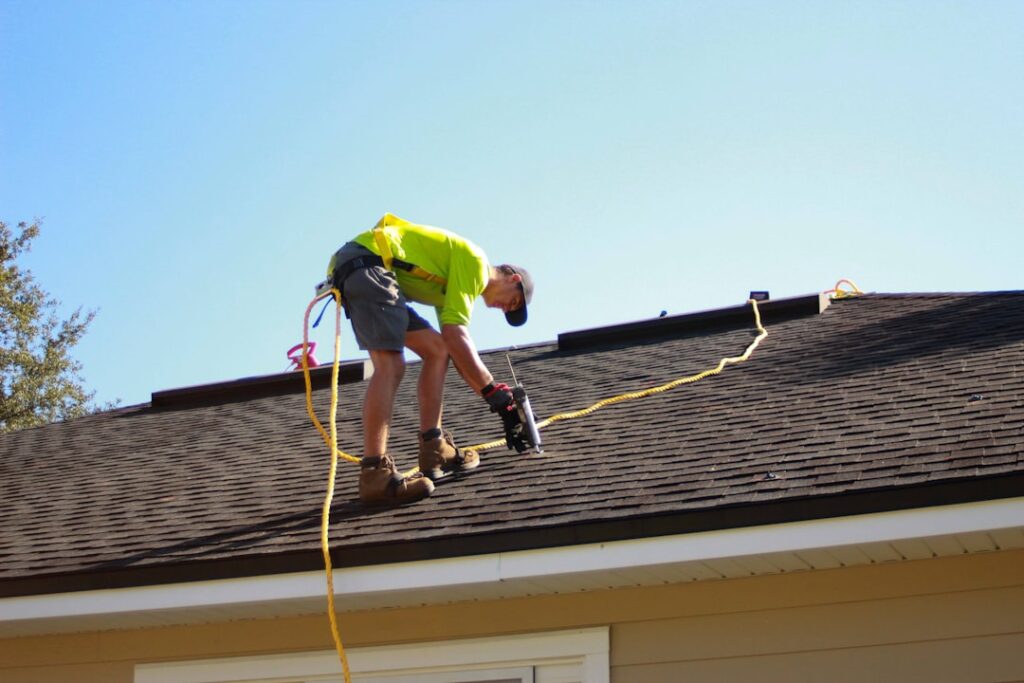
For minor, accessible repairs, such as replacing a few shingles that blew off, some area residents use roofing nails and caulk to temporarily weatherproof the spot. However, extensive or high-up damage may require expert attention to be addressed safely and correctly.
What Documentation Should You Gather for Insurance Purposes?
Take clear photos or videos from multiple angles—both outside and inside the house—before making any changes. This visual record is often necessary for insurance claims.
- Include wide shots and close-ups of damaged shingles, flashing, gutters, and any visible punctures.
- Capture interior signs of leaks or water stains.
- Note the date and time of the storm, and keep news articles or weather alerts confirming the event for your records.

Document steps you take to temporarily protect the home, such as tarping or moving possessions, as this may support your case in an insurance review.
What Are Common Misconceptions About Storm-Damaged Roofs?
Some local homeowners think only major leaks matter or that minor shingle loss can wait months for repair. However, smaller roof breaches can grow quickly in Cheyenne’s variable spring and fall weather, especially as winds and precipitation persist.
Another misconception is that hail damage always creates visible holes. Hail can cause microcracks or bruising, weakening shingles and reducing their lifespan, which isn’t always easy to spot from the ground.
Area residents sometimes believe a warranty or insurance automatically covers repairs, but coverage depends on the details of each policy and regular upkeep.
How Do Local Weather Patterns Affect Roof Repair Needs?
Cheyenne’s frequent hailstorms, high winds, and dramatic temperature swings put unique stress on roofing materials. Even a single spring storm can accelerate wear, expose nails, or allow ice to form under loose shingles.
Because of windy conditions, debris may blow onto roofs from neighboring homes, adding extra risk. Snow accumulation followed by rapid thaw can force water beneath shingles. Residents find that roof issues can escalate quickly if not addressed during the short repair window between storms.
What Public Resources or Codes Apply to Storm-Damaged Roofs?
Cheyenne building codes require that roof repairs meet certain standards to maintain weather resistance. If structural damage is suspected—such as a fallen tree branch or major collapse—contact city authorities or the local building department for guidance on safety and permit requirements.
Storm debris collection and emergency shelter information can typically be found through the city or county emergency management departments during major weather events. Blocked street access or downed power lines should be reported to public agencies, not addressed by residents.