

 See My Latest Article on HelloNation
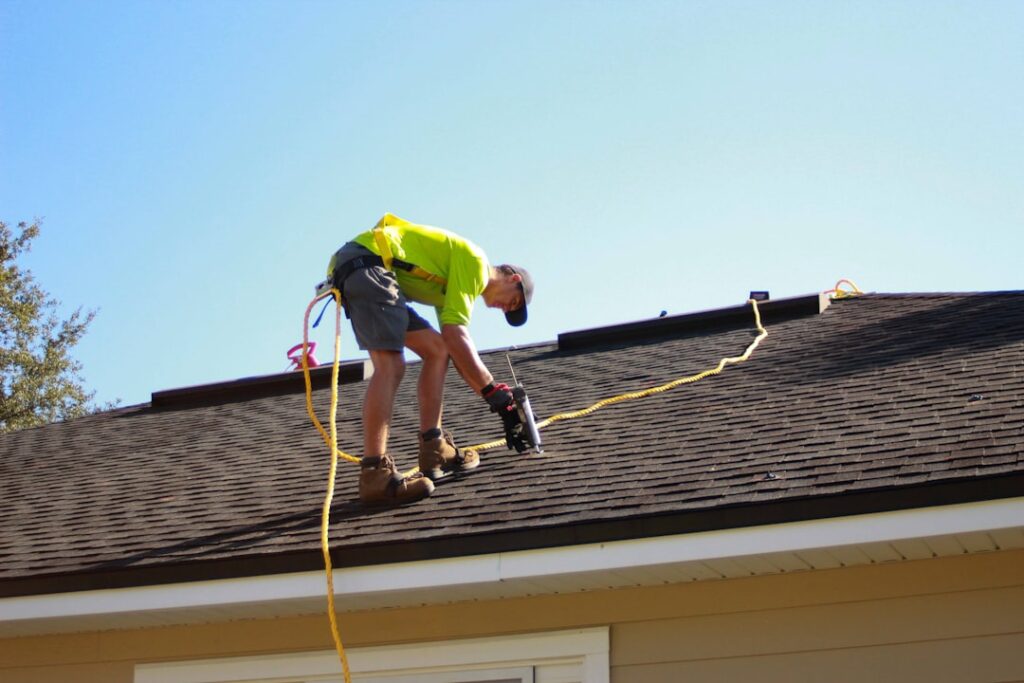
Are Asphalt Shingles Just a Short-Term Solution in Cheyenne, WY?
Asphalt shingles often get labeled as the “cheap” or “temporary” roofing option, but that doesn’t always match local reality. Modern shingles, especially those designed for wind and hail, can provide dependable performance for 20 years or more on Cheyenne homes. The city’s rapid temperature swings, frequent hail, and high winds make shingle quality and correct installation far more important than the idea that “shingles never last.”
Some local factors impacting shingle lifespan:
- Hail frequency: Singles marketed as “impact-resistant” resist Cheyenne storms better, but all shingles can be damaged by particularly large hail.
- Attic ventilation: Poorly vented roofs in the region can “cook” shingles from underneath during summer—proper airflow extends material life.
- Installation method: Following manufacturer guidelines makes a substantial difference. Shortcuts can void warranties and accelerate weathering, especially in high-wind areas.
Does Roof Color Really Impact Cooling Costs in Cheyenne?
There’s a belief that only very light-colored roofs make sense for the city’s climate. In Cheyenne, insulation and ventilation play a much larger role than shingle color. While lighter colors can reflect more sunlight, the city’s moderate summer highs and mostly cool nights mean that attic insulation and airflow are usually what separates a hot house from a comfortable one.
Key considerations include:
- Dark roofs will get warmer on sunny days, but attic insulation can buffer this effect.
- Proper attic airflow allows hot air to escape, reducing summer heat gain.
- Lighter roofs can help in urban “heat islands,” but most residential neighborhoods in Cheyenne aren’t dense enough for this to be a defining factor.
Is It True That All Roof Leaks Come from Directly Above the Drip?
It’s easy to expect water to move straight down, but roofs in Cheyenne frequently confuse homeowners because leaks rarely match up with the visible drip. Local homes often feature roof designs—such as intersecting gables, valleys, or chimneys—where water can travel sideways before appearing indoors. Wind-driven rain common in the city makes tracking leaks even trickier.
Typical causes of “mystery leaks”:
- Damaged or missing flashing (metal at joints or chimneys)
- Ice dams forcing water under shingles in late winter
- Nail pops or small shingle defects on the upwind side of the home
Spotting the real source often involves inspecting the entire slope above the wet spot, not just the area directly overhead.
Should Old Shingles Always Be Removed Before a New Roof Is Installed?
Local code in Cheyenne allows for a second roof layer in some situations, but that doesn’t mean it’s always a good choice. Overlaying new shingles on top of an old layer is less expensive up front, but it can hide problems and add weight—especially risky on older homes. Here’s when removal is likely best:
- The old shingles are uneven, curled, or extensively damaged.
- Leakage or rot is suspected.
- The structure is older and may not support extra weight from an additional layer.
Removal gives a better look at the decking and ensures the new roof sits flat, which helps withstand wind and hail—key for this region.
Will My Roof in Cheyenne Last Longer Because It’s Dry Here?
Low humidity has some benefits for wood rot and mold, but doesn’t mean roofing lasts longer in Cheyenne than in other places. In fact, the city’s harsh freeze-thaw cycles, intense UV exposure, and large hail events can wear down materials more quickly than the national average. Summer thunderstorms and strong winter winds also challenge roofs.
Local longevity depends on:
- Regular inspections to catch small issues
- Clearing excessive snowloads after blizzards
- Replacing damaged shingles and repairing flashing after storms

Is Annual Roof Maintenance Pointless for Newer Cheyenne Homes?
Some believe newer roofs or recently built homes in Cheyenne don’t need regular attention, but this is rarely true for long in the local climate. Even newer materials can be damaged early by hail or wind. Small issues like popped nails, slipped shingles, or minor flashing gaps are easiest and least expensive to address early.
A quick yearly inspection from the ground with binoculars, or after big storm events, can reveal:
- Displaced or cracked shingles
- Debris buildup at valleys or around chimneys
- Signs of wind uplift at roof edges
Tending to these items helps prolong the integrity of even new roofs, before problems become expensive.
Do All Roofing Materials Perform About the Same in Cheyenne’s Weather?
Roofing material matters greatly in this region. Asphalt shingles, impact-resistant metal roofing, wood shakes, and synthetic panels all react differently to the city’s extreme weather. For instance, heavy snow slides more readily from metal, while untreated wood shakes may dry out and split in the windy, dry climate.
Key differences:
- Metal resists hail well but may dent visibly; snow slides off quickly, reducing ice dam risk.
- High-quality asphalt shingles provide good wind/hail resistance if rated for the region.
- Wood shakes require more frequent treatment to withstand dryness and wind.
Local context, roof pitch, and exposure to wind all influence which materials last.
Can Minor Roof Repairs Safely Wait Until Next Year in Cheyenne?
Putting off small repairs often leads to much bigger problems in the city’s climate. A few missing shingles or minor flashing gaps can let water and wind in quickly during a single severe storm. Freeze-thaw cycles can force moisture deeper into roof layers, leading to hidden rot.
Addressing issues soon after discovery limits damage and helps maintain insurance coverage, since insurers in the region may deny claims for preventable neglect.