

 See My Latest Article on HelloNation
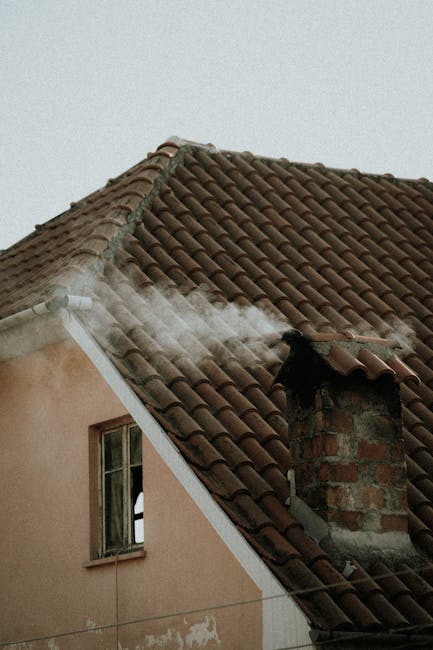
Living in Cheyenne, WY, means embracing nature’s extremes—from howling winter winds to intense summer hailstorms. Our unique climate takes a toll on residential roofs, and even the smallest leak can quickly escalate into a costly headache. By recognizing signs of a leaky roof early, Cheyenne homeowners can safeguard their property and avoid bigger repair bills down the road.
Why Roof Leaks are a Serious Problem in Cheyenne
Cheyenne’s elevation and climate create specific challenges for maintaining a healthy roof. Our high winds can loosen shingles, abrupt temperature swings can cause materials to expand or contract, and frequent snow or hail means persistent moisture is always a concern. When a roof leak is ignored, these factors can accelerate damage faster than you might expect.
Common Signs of a Leaky Roof
While some leaks are obvious, others can go undetected and silently cause deterioration. Here’s what every Cheyenne homeowner should keep an eye out for:
1. Water Stains on Ceilings and Walls
- Discolored patches or brown rings on ceilings and upper walls are often the first visual clues of roof leaks.
- In Cheyenne, these stains might appear after heavy spring rain or melting snow. They usually indicate water has seeped through your attic insulation before reaching your living space.
2. Damp or Musty Odors
- Persistent damp smells—especially after a rainy day or winter thaw—often originate from hidden leaks.
- If your home smells musty and you can’t locate the source, moisture from a roof leak could be trapped behind your walls or in the attic.
3. Peeling Paint or Bubbling Wallpaper
- When water repeatedly soaks drywall or plaster, you might notice paint starting to peel, blister, or bubble up.
- In our dry, windy Cheyenne climate, this can happen quickly after an unseasonably wet storm.
4. Visible Mold or Mildew
- Mold and mildew thrive where there’s moisture and poor ventilation.
- Dark spots on ceilings or attic wood, or new allergies for your family, may signal mold growth from undetected roof leaks. Addressing mold quickly is crucial, especially with Cheyenne’s dry air—if mold appears, the leak is already significant.
5. Damaged or Missing Shingles
- Our notorious Wyoming winds can lift, break, or blow away shingles, directly exposing roof decking to the elements.
- Take a look from the ground after every strong windstorm—if you see bare patches or shingles scattered around the yard, water intrusion may soon follow.
6. Granules in Gutters or Downspouts
- Asphalt shingles lose protective granules as they age or after storm damage. Finding these sand-like particles in your gutters or near your downspouts is a warning sign.
- Cheyenne’s frequent hail and wind storms speed up this wearing process, making granule loss a common early indicator of roof vulnerability.
7. Dripping Sounds During Rain
- If you hear dripping inside the walls or attic during a rainstorm, do not ignore it.
- Even if you can’t see water, dripping means moisture has already broken through your roof’s defenses.
8. Sagging Roof Deck
- A sagging area along the roofline (visible from the ground or inside your attic) often means water has weakened the structural wood below.
- In Cheyenne, heavy wet snow or ice buildup can accelerate this sagging and should be addressed immediately.
How Local Weather Aggravates Roof Leaks
Cheyenne’s blend of strong winds, extreme sun exposure, snow, and hail speeds up roofing wear and tear. Small leaks that might go unnoticed in milder climates can become major problems here within a single season. That’s why proactive inspection is so important after every significant Wyoming weather event.
What to Do If You Notice Leak Warning Signs
If you spot any of the above signs, act quickly:
- Document damage with photos and notes.
- Schedule a professional roof inspection as soon as possible. Early detection is key to affordable repairs.
- Avoid climbing on the roof yourself—Cheyenne winds and icy conditions can make this hazardous.
Keeping Your Home Safe from Future Leaks
Prevention is always better than costly repairs. Cheyenne homeowners should:
- Schedule an annual roof inspection, ideally after the spring thaw or after autumn’s windy season.
- Keep gutters and downspouts clear to help water flow away from the roof.
- Trim overhanging branches to prevent roof punctures during windstorms.
- Repair minor shingle or flashing issues promptly.
Local Expertise Matters
The challenges of Cheyenne’s climate make partnering with an experienced, local roofing company a wise choice. We understand the regional stressors and can recommend durable materials and smart repair strategies.
Conclusion
Don’t underestimate the impact of a leaky roof—what starts as a trickle can soon mean major damage, especially in Cheyenne’s severe weather. By recognizing these warning signs and acting early, you’ll help protect your home, your family’s comfort, and your investment for years to come.