

 See My Latest Article on HelloNation
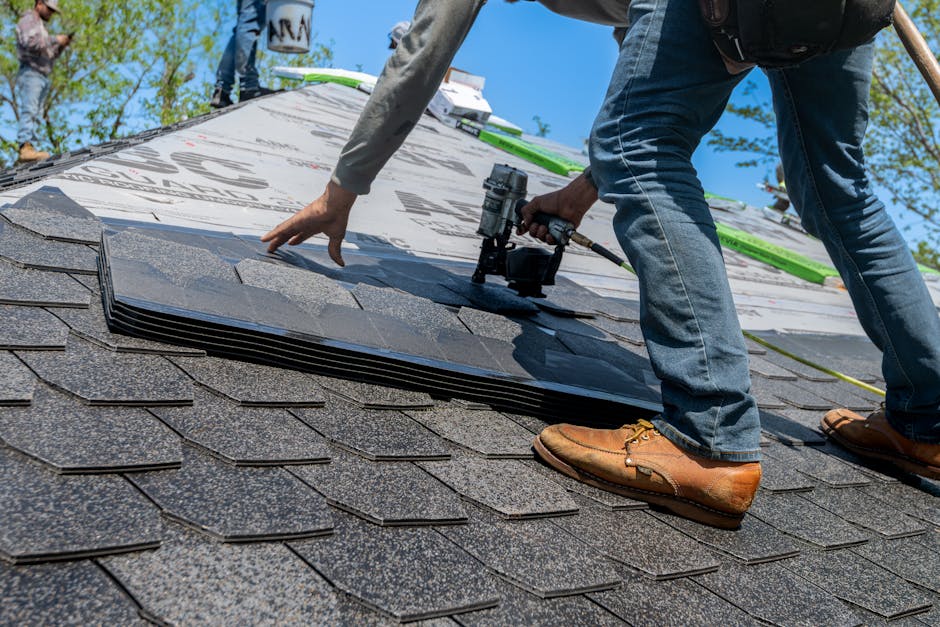
If you’re a homeowner in Cheyenne, WY, you know just how demanding Wyoming weather can be on your home—especially your roof. Between high winds sweeping across the High Plains, heavy snowfalls, hailstorms, and intense sun, Cheyenne roofs endure more than their fair share of abuse. But how do you know when repairs just aren’t enough and it’s time for a full roof replacement? Here are the top signs your roof might be due for an upgrade, along with tips tailored for Cheyenne’s unique climate.
Why Pay Attention to Your Roof in Cheyenne?
Cheyenne’s altitude and climate present unique roofing challenges:
- Wind: Wyoming is one of the windiest states, and Cheyenne often experiences gusts topping 50 mph.
- Hail: Hail is frequent in the spring and summer, causing granule loss and bruising shingles.
- Snow and Ice: Winters bring heavy snow and potential for ice dams, stressing and aging your roof quickly.
- Dramatic Temperature Swings: Freeze-thaw cycles can worsen damage unseen on your roof surface.
Living here, it’s vital to be proactive when it comes to inspecting and maintaining your roof.
1. Your Roof Is Over 20 Years Old
In Cheyenne, the average asphalt shingle roof lasts about 20 years—sometimes less if there’s frequent wind or hail damage. If your roof was installed before 2005, it’s time for a thorough inspection, even if there aren’t visible leaks. Modern roofing materials are more resistant to Wyoming’s weather and can offer better protection and energy efficiency for your home.
Tip: Check home records and warranty information to get your roof’s installation date.
2. Curling, Cracked, or Missing Shingles
Shingles are your roof’s first line of defense against the elements. In Cheyenne, wind can physically lift and tear shingles off, while hail can leave them bruised or broken.
Look for:
- Shingles that curl at the edges or have a “cupped” appearance
- Cracked tiles or obvious gaps where shingles are missing
- Shingle granules collecting in gutters—often a result of hail damage
Any of these issues suggest your roof is nearing the end of its lifespan and may need to be replaced soon.
3. Signs of Water Damage and Interior Leaks
Have you noticed discoloration or water stains on your ceiling, especially after a snowstorm or heavy rain? In Cheyenne, ice dams and driving rain can push moisture under damaged shingles, leading to interior leaks.
Other signs of water intrusion include:
- Peeling paint around rooflines
- Damp or musty smells in your attic
- Buckling or warping in the roof deck
Even if leaks seem minor, they can quickly escalate into far more serious (and expensive) structural problems.
4. Sagging Rooflines
A sagging roof is a serious warning sign, especially in areas prone to heavy wet snow like Cheyenne. Sagging usually indicates hidden rot, structural failure, or major water damage within the roof deck or supporting structures.
If you notice:
- A dip or curve in your roof’s surface
- Visible sagging along ridges or eaves
Contact a local roofing expert immediately for an assessment.
5. Light Shining Through the Attic
Next time you’re in your attic, look up and see if you spot daylight coming through the boards. In a well-maintained roof, you shouldn’t see streams of light. Any visible sunlight can mean there are gaps, holes, or cracks in your roofing material, putting your home at risk during the next Cheyenne storm.
6. Damage After Hail or Windstorms
Cheyenne homeowners are all too familiar with severe summer storms. After any major weather event:
- Check for pockmarks or dents on shingles (a classic sign of hail impact)
- Inspect your yard for shingles or shingle fragments
- Schedule a post-storm roof inspection if you have any doubts
Even if your roof looks fine from the ground, hail and wind damage can be subtle yet devastating over time.
7. High Energy Bills
Older and failing roofs are less effective at insulation. If your heating and cooling bills seem higher than usual—especially during Cheyenne’s cold winters and hot, sunny summers—your aging roof could be letting air escape, forcing your HVAC system to work overtime.
Why Timely Roof Replacement Matters in Cheyenne
Here, putting off a roof replacement can quickly lead to more significant (and more expensive) problems. Our climate can turn minor issues into emergencies in just one season. Additionally, new roofs often mean:
- Lower energy bills due to improved insulation and ventilation
- Increased curb appeal and resale value
- Greater peace of mind as the next round of Wyoming weather rolls through
Professional Inspections: The Cheyenne Advantage
While you can spot many of these issues on your own, hiring a local roofer for a comprehensive inspection is always a wise move. Roofing professionals in Cheyenne understand the specific threats in our region and can recommend solutions that stand up to local weather extremes.
Conclusion
If you see any of these signs—or just want the reassurance of a professional check—don’t wait. Taking action before major leaks or sagging appear will save you money and protect your Cheyenne home for years to come. Remember: a healthy roof is your best defense against Wyoming’s toughest weather.